Guide to Catching Redfish: Seasons, Spots & Secrets
Red Drum—better known as Redfish to most Florida anglers—are the heart and soul of inshore fishing across the Sunshine State. These bronzy, hard-fighting fish are everywhere from grass flats to mangroves, and they’re one of the most rewarding species to target whether you’re a beginner or a seasoned pro.
They’re famous for their stamina, their spot-covered tails, and their unmistakable bulldogging fight. And thanks to strong conservation efforts, Florida’s Redfish population is thriving, offering anglers year-round chances to hook into these iconic gamefish.
But before you hit the water, there’s a lot to know—appearance, regulations, behavior, habitats, and the best techniques to stay on the bite. Consider this your complete, Unreel-approved guide to catching Redfish in Florida.
What Redfish Look Like
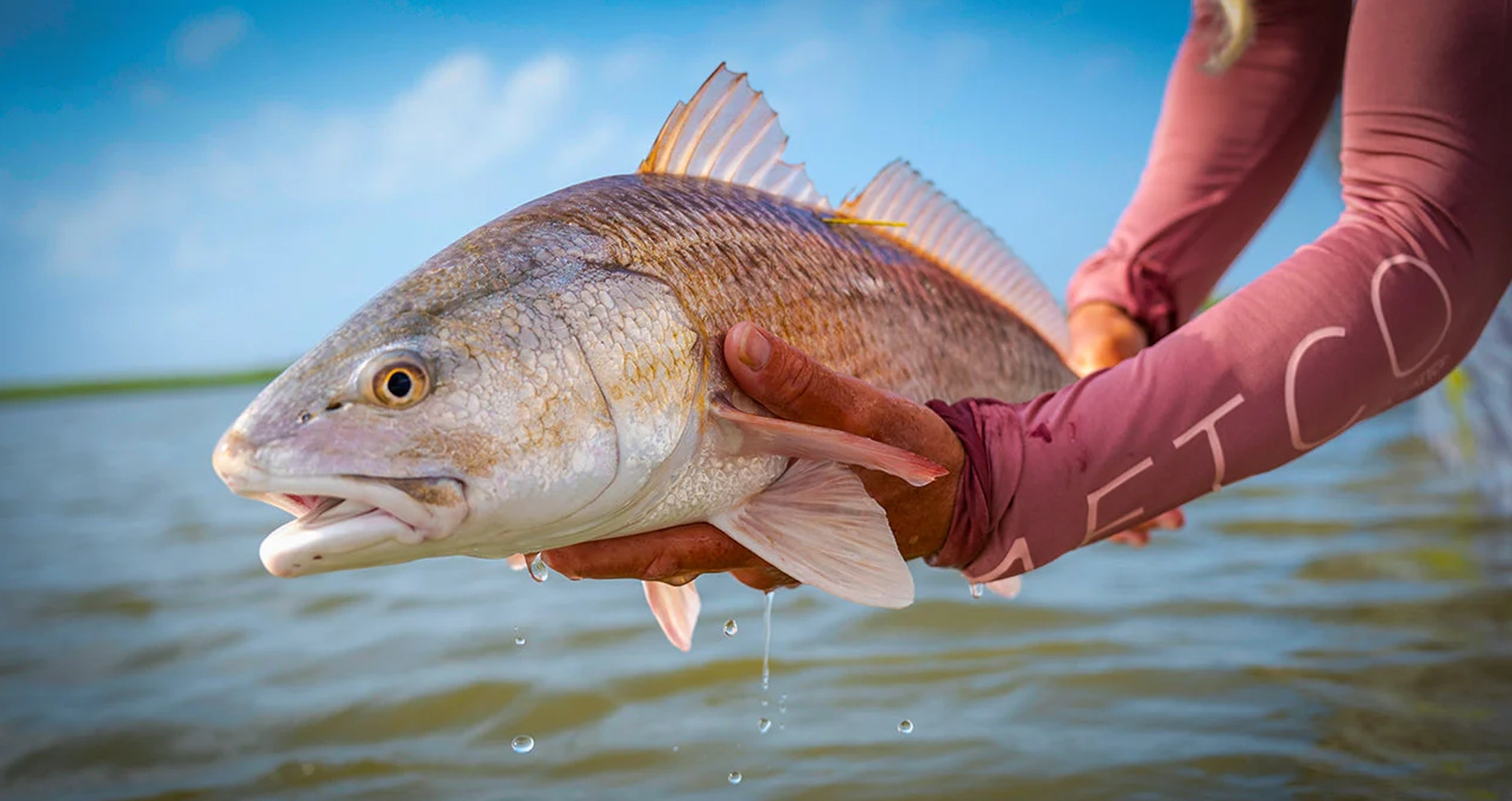
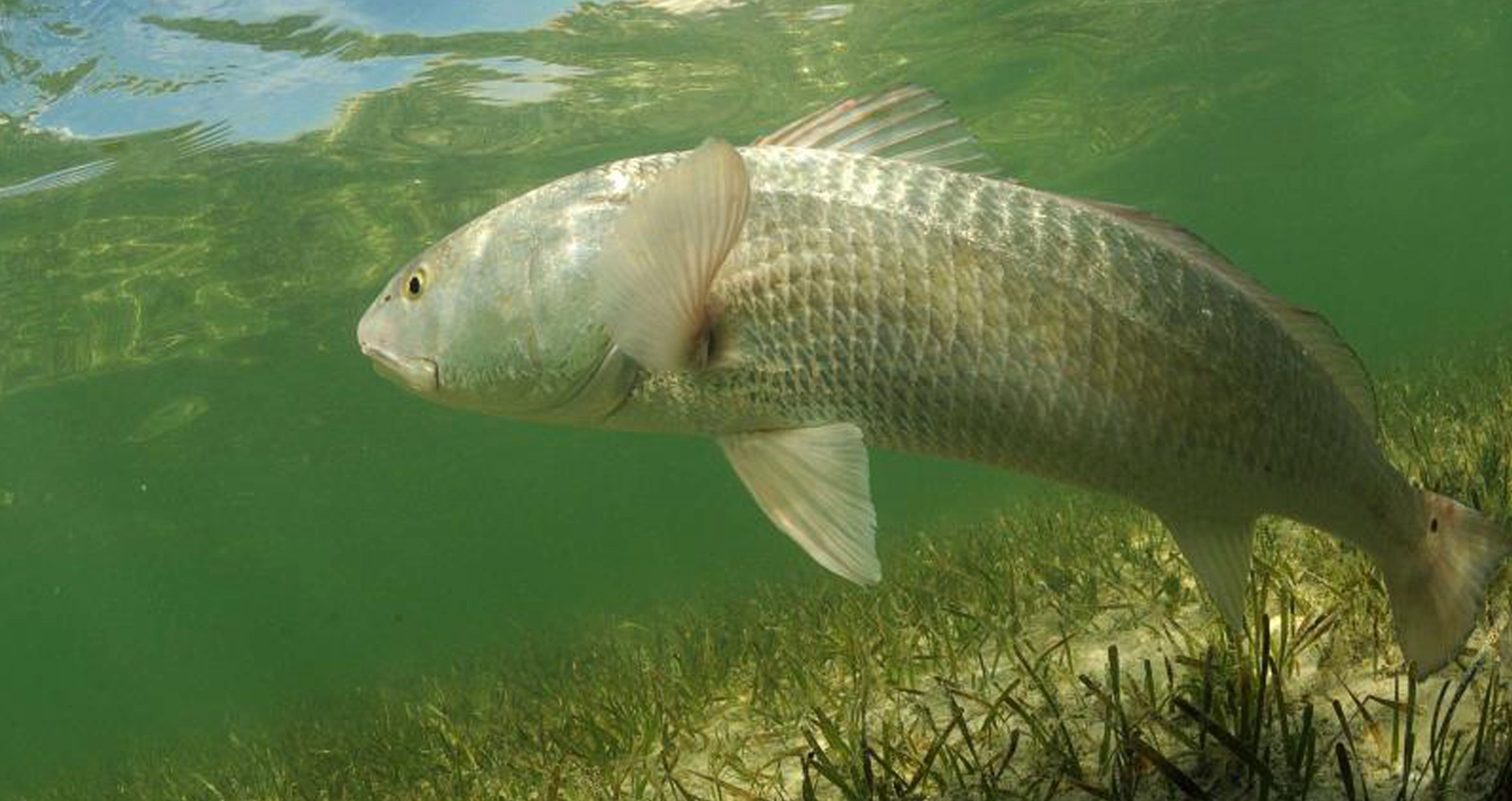
Redfish are one of the most recognizable inshore species, especially here on Florida’s Gulf Coast. Most have a rich copper or bronze back that fades to a silvery-white belly. In clear water or sandy environments, you may find ones that look almost pale or washed out.
Their most distinctive feature is the dark spot on the base of the tail. Some fish have just one spot, but others may display multiple spots running along the tail, and a few rare ones have dozens. Spotless Redfish exist, but they’re extremely uncommon—something many anglers consider a lucky catch.
Redfish vs. Black Drum
It’s easy to confuse Redfish with Black Drum, especially when you’re sight casting to silhouettes. Here’s how to tell them apart:
- Black Drum have chin barbels (whiskers). Redfish do not.
- Black Drum usually lack the tail spot that Redfish are known for.
- Black Drum tend to be grayer, darker, and stockier.
Knowing the difference matters—especially when regulations vary between the species.
How Big Do Redfish Get?
Redfish come in a wide range of sizes depending on age and region.
- Most inshore catches: 18–28 inches
- Average weight: 6–12 lbs
- Common upper range: 20–30 lbs
- Trophy “bull” Redfish: 40–60+ lbs (often caught near inlets, surf zones, and offshore structure)
You’ll find every size class in Florida—from small “puppy drum” to full-grown, bruiser bulls that can spool you in seconds.
Redfish Rules & Regulations in Florida
Redfish are open to harvest year-round, but Florida’s strict regional rules help protect the species from the overfishing issues of the 1980s. These regulations were put in place to preserve Florida’s Redfish population for generations to come, and they’ve played a major role in the strong, healthy fisheries we enjoy today. Understanding the rules isn’t just about staying legal—it’s about being part of Florida’s conservation success story. Whether you’re a weekend angler or out on the water every chance you get, staying current on the regulations ensures Redfish continue to thrive.
Statewide Slot Limit
Across all Redfish zones in Florida, the legal slot size is 18–27 inches total length. This size range was carefully chosen by FWC biologists to protect both young juveniles and the large, mature “bull Reds” responsible for spawning the next generation. Slot limits give smaller fish time to grow and ensure the biggest breeders stay in the ecosystem. Keeping only slot-sized fish helps maintain healthy populations and provides balanced fishing opportunities for anglers throughout the state.
Regional Bag Limits
Florida divides its coastline into 9 management zones, each with its own set of harvest rules designed to match local population health. This region-by-region approach allows FWC to be flexible—tightening limits in areas recovering from pressure and relaxing them where populations are more abundant.
Northeast, Big Bend, Panhandle
- 1 fish per person per day
- Maximum 4 fish per vessel
These zones have historically strong Redfish stocks, and the vessel limit allows small groups to each bring home a modest catch.
Tampa Bay, Sarasota Bay, Charlotte Harbor, Southwest, Southeast
- 1 fish per person per day
- Maximum 2 fish per vessel
These heavily fished regions have tighter vessel limits to help protect the population from high angler traffic and year-round pressure.
Indian River Lagoon
- Catch-and-release ONLY
This region is in rebuilding mode due to habitat loss, water quality issues, and declining Redfish numbers. Catch-and-release rules help restore the fishery by ensuring every Redfish caught gets another chance.
Gear Restrictions
To protect Redfish and avoid unnecessary harm, Florida has strict rules about what gear can—and cannot—be used. Only hook-and-line and cast nets are legal, ensuring anglers use methods that minimize injury and allow for safe releases when needed.
The following gear types are banned because they can injure fish or lead to excessive harvest:
- Spearguns
- Gigging
- Bowfishing
- “Multiple hooks” with natural bait
If you’re fishing from a boat, remember that harvested fish must remain whole until you’re back on land—no filleting on the water. Additionally, once you leave the fishing site, the transport limit of 4 fish per person applies, preventing illegal bulk harvest after a day on the water. These rules help FWC monitor compliance and protect Redfish from unsustainable practices.
Commercial Harvest Is Banned
Because commercial fishing devastated Redfish stocks decades ago, Florida prohibits commercial harvest entirely. This ban is one of the biggest reasons Redfish have made such a strong comeback and remain one of the most popular gamefish in the state.
What does that mean for anglers?
- You won’t find Redfish at the store.
- You won’t find it at restaurants.
- If you want to enjoy this fish at the dinner table, you’ll have to catch it yourself.
This keeps Redfish a true recreational treasure—reserved for the anglers who love pursuing them and respect the sport enough to help protect it.
Where Redfish Live in Florida
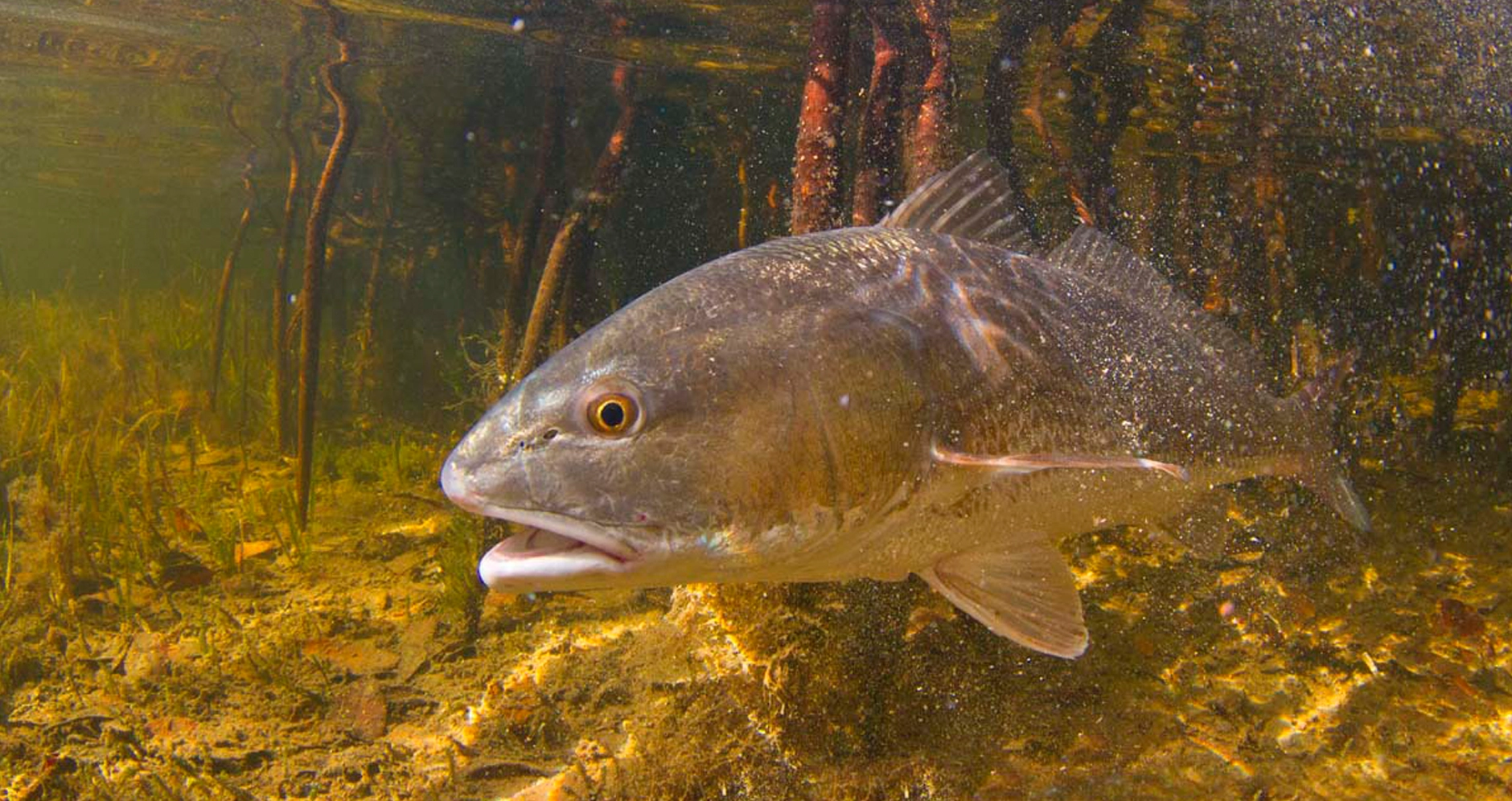
One of the best things about Redfish is that they’re truly everywhere. From the quiet backwaters of the panhandle to the sprawling mangrove shorelines of South Florida, Redfish thrive in just about every inshore system the state has to offer. They’re adaptable, resilient, and comfortable in a variety of salinity levels, which means you can target them around river mouths, brackish creeks, mangrove edges, mud flats, oyster bars—you name it.
Many areas in Florida hold Redfish year-round, and their seasonal shifts are predictable enough that once you understand their movement patterns, you can stay on the bite no matter the time of year. Whether you fish from a boat, kayak, or shore, Redfish are one of the most accessible species for anglers statewide.
Prime Florida Redfish Hotspots
These iconic locations consistently produce Redfish due to their ideal blend of water flow, structure, bait, and habitat. Each region has its own “flavor” of Redfishing—making it fun to explore new areas if you’re the type of angler who loves to travel.
- Mosquito Lagoon: Known as the “Redfish Capital of the World,” Mosquito Lagoon offers crystal-clear, shallow flats perfect for sight-casting. It’s one of the few places where overslot Reds are caught in tight, skinny water year-round.
- Mayport: The St. Johns River mouth is a powerhouse Redfish zone thanks to deep shipping channels, rock jetties, and abundant bait. Bull Reds in particular thrive here, especially during the fall spawn.
- Indian River Lagoon: A massive, biodiverse estuary system stretching down Florida’s east coast. It’s famous for tailing Redfish on flats and calm coves—though current regulations have moved it to catch-and-release only due to population concerns.
- Everglades National Park: Remote, untouched, and full of life. The Everglades offer endless mangrove shorelines and creeks perfect for ambushing Reds with artificials or cut bait.
- Florida Bay: This broad, shallow body of water is loaded with grass flats and mangrove islands. Its warm, stable environment supports Redfish all year, even during cold snaps.
- Pine Island Sound: One of the west coast’s most productive fisheries. With its oyster bars, potholes, grass flats, and mangroves, it’s a paradise for anglers targeting a mix of Reds, Snook, and Trout.
- Tampa Bay & surrounding estuaries: One of the most diverse inshore fisheries in the state. From upper-bay flats to mangrove shorelines and residential canals, Tampa Bay holds every size class of Redfish year-round. Hudson, Tarpon Springs, and New Port Richey all feed into this incredible system.
- Gulf Coast surf zones (especially late summer into winter): Late summer through winter, Gulf beaches can explode with schools of big, bronze bulls cruising through troughs and nearshore bars. Sight-casting to these giants in clear water is an unforgettable experience.
Juvenile Reds (Puppy Drum)
Juvenile Redfish prefer sheltered, shallow environments where they can feed safely and avoid predators. These younger Reds are commonly found in:
- inshore channels
- mangrove tunnels
- salt marshes
- grass flats
- dock lines
- oyster-encrusted bottom
- creeks and bayous with softer mud or sand
Because smaller Reds rely heavily on crustaceans and small baitfish, they tend to cluster around places rich with snails, crabs, shrimp, and minnows. They’re also extremely curious and often less wary than the larger adults—making them great fun for novice anglers, kids, and light-tackle enthusiasts.
When water temperatures are warm, juvenile Reds push shallow and may tail on the flats. During extreme heat or cold, they shift slightly deeper but still remain relatively close to shore.
Adult & Bull Reds
Once Redfish exceed about 20 inches, many join the adult population that ventures into more open, expansive water systems. The older they get, the more they transition toward deeper, more dynamic environments.
You’ll commonly find them:
- Surfing waves along the Gulf — especially during migrations
- Holding in passes and inlets — gorging on bait pushed by current
- Patrolling wrecks and artificial reefs
- Hovering around deep cuts and channel edges
- Roaming offshore bait schools during late summer and fall
Bull Reds (30+ inches) often form massive schools—something you can sometimes spot on calm days as a reddish-brown cloud beneath the surface. While these giants are almost always catch-and-release, they offer some of the most thrilling fights you’ll find in inshore saltwater fishing.
Winter Behavior: “Channel Bass”
Florida winters may be mild, but they still affect Redfish behavior. When water temperatures drop, Redfish retreat from shallow flats and seek the stability of deeper channels, where the temperature swings are less extreme.
This is where their nickname “Channel Bass” comes from.
Expect to find large groups of Reds stacked in:
- river channels
- dredged cuts
- bay passes
- deep shipping lanes
- marinas and harbor basins with depth
If your favorite flat looks empty during a winter cold snap, don’t worry—the fish didn’t leave the area entirely. They simply slid deeper. Slow presentations like jigs, cut mullet, or shrimp on the bottom tend to excel during winter.
Spawning Season (August–October)
Late summer into early fall is one of the most exciting times to target Redfish in Florida. This is when massive schools of bull Reds move into nearshore areas to spawn. These schools can stretch for dozens of yards and are often so tightly packed that the water appears to shimmer bronze.
During the spawn:
- Big females move just off beaches and inlets
- Males vibrate their swim bladders to “drum,” attracting mates
- Schools gather near structure, bait, and strong tidal flow
It’s a breathtaking sight—and one of the best times to catch trophy Reds. Just remember, spawning fish should be treated with extra care. Handle gently, release quickly, and always support their body weight properly.
Tips & Tricks for Catching Redfish
Catching Redfish is one of the most rewarding experiences for any Florida angler, and the good news is—they’re not overly complicated fish. But while Reds are willing feeders, knowing a few practical tips can make the difference between landing a couple… and landing a cooler’s worth.
One of the biggest keys is stealth. Redfish have excellent hearing and spook easily in shallow water. Move quietly, avoid slamming hatches, and keep your shadow off the flat when sight-casting. They also rely heavily on smell, so scented baits and lures can dramatically improve your hookup ratio. And always pay attention to tides—Reds love water movement. Incoming tides push bait onto the flats, while outgoing tides pull prey off the shoreline, concentrating fish into predictable ambush zones.
Lastly, don’t overlook “nervous water,” wakes, or subtle pushes on calm days. Redfish often reveal their location long before you ever make a cast.
Best Baits for Redfish
Redfish are opportunistic feeders, which means they’ll eat almost anything that fits in their mouth—shrimp, crustaceans, baitfish, crabs, and pretty much anything that smells alive or freshly cut. They rely heavily on scent when rooting around the bottom, making natural bait an easy go-to for anglers of all experience levels.
Top live baits:
These are the everyday producers, especially in shallow water:
- Shrimp – Classic and effective under a popping cork
- Mud minnows – Tough, lively, and perfect around oyster bars
- Mullet – Finger mullet are outstanding for upper-slot fish
- Pinfish – Hardy and attractive to big Reds
- Crabs – Excellent near passes and structure, especially for bulls
Live bait works exceptionally well when the water is cool or dirty, or when Redfish are being picky.
Dead bait that works extremely well:
Don’t underestimate the power of fresh-cut bait—Redfish love scent trails.
- Cut mullet
- Cut ladyfish
- Shrimp chunks
On sluggish days, cut bait can outperform live bait because the smell lingers and draws fish from a distance. If the bite slows, swap to cut bait and let the scent do the heavy lifting.
Artificial Lures That Crush
Artificial lures are incredibly effective for targeting Redfish, especially when covering large areas or fishing clear, shallow water. Many anglers actually prefer artificials because they allow for more precise presentation and a more active style of fishing.
Top choices include:
- Weedless gold spoons – A Florida classic; perfect for grass flats
- Paddle tail soft plastics – Natural swimming action, ideal for steady retrieves
- Shrimp imitations – Deadly under a popping cork or slow-jigged on bottom
- Topwater plugs – Explosive strikes during low-light mornings
- Jigs with soft plastic trailers – Great for working potholes and edges
On the flats, a slow, steady retrieve is often the ticket. Reds aren’t built for chasing fast-moving prey in shallow water, so a smooth approach mimics a wounded fish or wandering shrimp. When in doubt, slow down.
Best Tackle for Redfish
You don’t need specialty gear to catch Redfish—one of the reasons they’re such a wonderful inshore species. Most anglers already have everything they need to get started.
Recommended Setup:
- Rod: Medium or medium-light spinning rod (7’–7’6”)
- Reel: 3000–4000 series spinning reel
- Main line: 10–20 lb braided line
- Leader: 20–30 lb fluorocarbon
Braided line allows you to cast farther and feel every subtle bump, while a fluorocarbon leader prevents cutoffs around oyster bars and structure.
When to Go Heavier
If you’re fishing:
- passes
- surf zones
- deep channels
- around heavy structure
…you’ll want slightly heavier tackle to turn big bull Reds before they dig into rocks or pilings.
Fly Fishing for Reds
Fly anglers can have an absolute blast with Redfish. Use:
- 7–9 weight rods
- Shrimp patterns
- Crab flies
- Large streamers
Sight-fishing tailers with a fly rod is an unforgettable challenge—especially on calm mornings.
How to Cook Redfish
Since commercial harvest is banned in Florida, enjoying Redfish at home means you caught it yourself—and that makes the meal even more meaningful. Redfish has a mild, white, flaky texture that works with almost any cooking method or spice profile.
Choosing the Best Size
Slot-sized Reds (10 lbs or less) offer the freshest, cleanest flavor. Larger bull Reds should be released—not only are they key breeders, but their meat is tougher and less desirable. Smaller fish also tend to be more tender and have better moisture content.
Cleaning Your Catch
The quality of your fillet depends heavily on the cleaning process.
Follow these tips for the best results:
- Remove all red or “bloodline” flesh—it has a strong flavor
- Carefully remove any remaining bones
- Keep fillets cold immediately after harvesting
- Store in airtight bags or containers to prevent drying out
Rinse lightly; soaking fish in water can wash away flavor and texture.
Best Ways to Cook Redfish
Redfish is one of the most versatile fish in Florida waters. Whether you’re grilling for the family or trying something gourmet, there’s no wrong way to prepare it.
Popular Cooking Methods:
- Blackened – The bold Cajun crust is iconic for a reason
- Grilled – Perfect with herbs and citrus
- Baked – Easy, clean, and great with sauces
- Pan-seared – Crisp exterior, flaky center
- Stewed – Excellent in gumbo or fish chowder
- Broiled – Quick and delicious
Flavor Inspirations:
- Lemon herb butter
- Cajun or Creole seasoning
- Honey ginger glaze
- Garlic chili oil
- Fresh salsa, chimichurri, or mango relish
- Creamy citrus sauces
Or keep it casual with Redfish tacos, sandwiches, or grilled fillets over rice.

Final Thoughts
Redfish are one of Florida’s most beloved inshore gamefish for good reason—they’re fun to target, strikingly beautiful, hard-fighting, and absolutely delicious when harvested responsibly. With their year-round availability, predictable movement patterns, and diverse habitats, Redfish offer constant opportunities for anglers of all skill levels.
Whether you're stalking tailers across a sunlit grass flat, casting cut mullet into a quiet bayou, or drifting a deep channel in the winter cold, Redfish always bring excitement to the day. Once you learn their behavior, understand the tides, and use the right bait or lures, you’ll discover why Reds remain an essential part of Florida’s inshore fishing culture.

