Florida Snook Fishing Guide: Regulations & Tips
Snook are more than just another saltwater gamefish - they're one of Florida's most sought-after inshore species and a bucket-list catch for anglers of all experience levels. Known for explosive strikes, powerful runs, and a knack for finding the nearest structure when hooked, snook have earned a reputation as one of the most challenging and rewarding fish in Florida waters.
From the mangrove shorelines of Tampa Bay to the backwaters around Port Richey, Hudson, and Tarpon Springs, snook can be found throughout much of Florida's Gulf Coast. Their popularity has led to carefully managed regulations designed to protect the fishery while still allowing anglers opportunities to harvest fish in designated regions and seasons.
Whether you're new to snook fishing or looking to improve your success on the water, understanding their behavior, preferred habitats, seasonal movements, and current regulations can dramatically increase your chances of landing one of Florida's most iconic sportfish.
What Is a Snook?
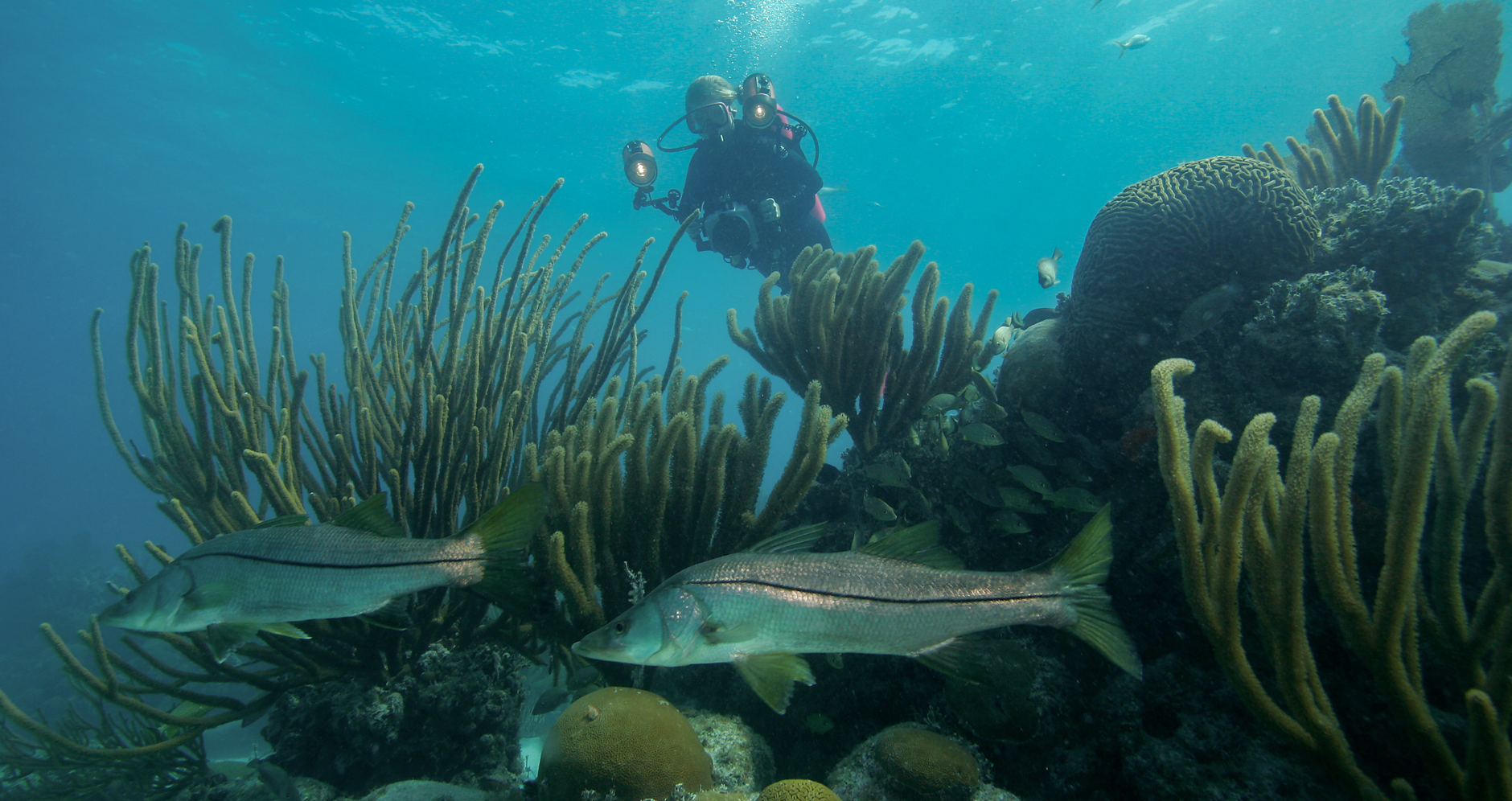
Few fish are as recognizable as the common snook. They possess a sleek, streamlined profile built for ambush feeding and explosive acceleration. Native to Florida's coastal waters, snook thrive in estuaries, mangrove shorelines, tidal rivers, beaches, and nearshore structures where baitfish are abundant. They are highly sensitive to water temperature, which plays a major role in where they can be found throughout the year.
Identifying Florida Snook
The most commonly encountered species is the Common Snook (Centropomus undecimalis), although several other snook species can occasionally be found in Florida waters. Adult snook commonly range from 24 to 40 inches in length, though trophy-class fish exceeding 40 inches are caught every year along Florida's Gulf and Atlantic coasts. Common identifying characteristics include:
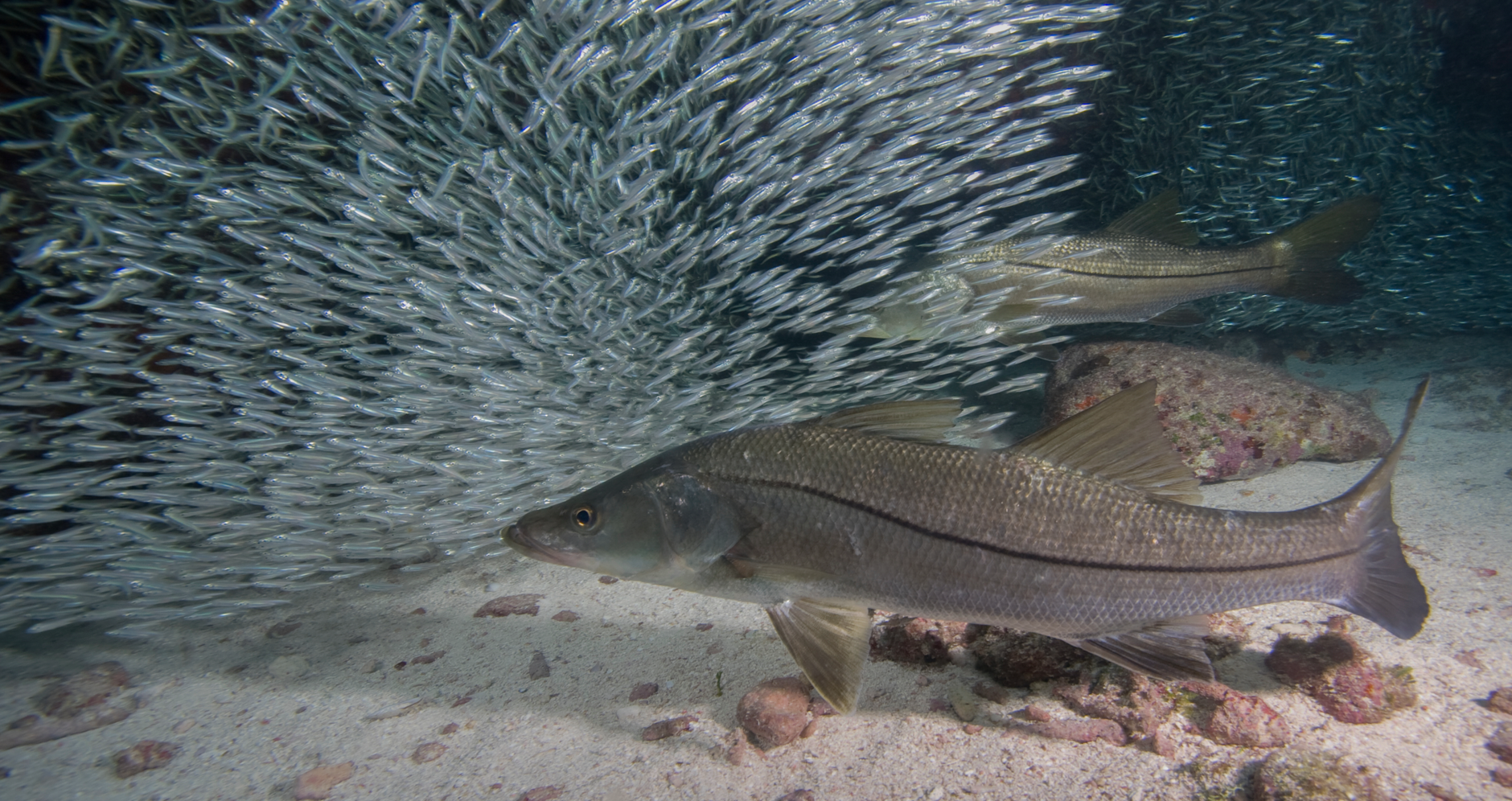
- Distinct black lateral line running the length of the body
- Elongated silver body with a slightly green or bronze tint
- Large mouth with a protruding lower jaw
- Broad tail designed for powerful bursts of speed
- Sharp gill plates capable of fraying fishing line during a fight
Why Snook Are Such a Popular Sportfish
For many Florida anglers, catching their first legal snook is considered a rite of passage. For others, the pursuit becomes a lifelong obsession. Several factors contribute to snook's legendary status:
- Aggressive feeding behavior
- Exceptional fighting ability
- Accessibility from boats, kayaks, docks, and shorelines
- Diverse fishing techniques that keep the challenge fresh
- Strict management that helps maintain a healthy fishery
Is Snook Good to Eat?
In addition to being one of Florida's most sought-after sportfish, snook are also considered excellent table fare. Their mild flavor, firm texture, and versatility in the kitchen make them a popular choice for anglers fortunate enough to harvest a legal fish during open season. While many anglers practice catch-and-release fishing throughout the year, a properly prepared snook can make for a memorable meal after a successful day on the water.
To enjoy the best flavor and quality, proper fish care is important from harvest to preparation. Many anglers prefer simple cooking methods that allow the fish's natural flavor to shine. Popular approaches include:
- Keeping harvested fish properly iced
- Cleaning fish as soon as possible
- Grilling with citrus and herbs
- Blackened Florida-style
- Pan-seared fillets
- Baked with butter and garlic
- Fish tacos and sandwiches
Fresh handling and simple preparation often produce the best results, allowing snook's mild, flaky meat to take center stage.
Snook: One of Florida’s Most Addictive Fisheries
Ask ten experienced Florida anglers what their favorite inshore species is, and a large percentage will answer with one word: snook.
Part of the appeal comes from the unpredictability. A snook may spend hours tucked beneath a mangrove root system or dock piling, seemingly uninterested in feeding, only to explode on a bait or lure the moment conditions align. Their strikes are often sudden, violent, and memorable.
Once hooked, the real challenge begins. Snook instinctively use structure to their advantage, making hard runs toward docks, bridge pilings, seawalls, mangroves, and oyster bars. Even experienced anglers can lose fish in seconds if they aren't prepared to react quickly.
The pursuit itself is equally rewarding. Successful snook fishing requires anglers to understand tides, bait movement, water temperature, seasonal patterns, and habitat selection. Every fish feels earned, which makes success all the more satisfying.
Perhaps most importantly, snook fishing embodies the Florida inshore experience. Whether you're poling a shallow flat at sunrise, casting under dock lights after dark, or working mangrove shorelines from a bay boat, snook create the kind of fishing memories that keep anglers coming back for more.
Where to Find Snook in Florida
One of the reasons snook are so popular among Florida anglers is their accessibility. While they are often associated with mangrove shorelines and backwater creeks, snook can be found in a wide variety of habitats throughout Florida's coastal waters. Understanding where they position themselves—and why—can significantly improve your chances of success.
Snook are ambush predators. Rather than constantly chasing bait, they prefer to hold near structure, current breaks, and feeding lanes where they can conserve energy and strike passing prey. As tides, water temperatures, and bait movements change throughout the year, so do their preferred locations.
Mangroves and Shorelines
Among the most productive snook habitats in Florida. The intricate root systems provide shelter from predators, protection from current, and abundant feeding opportunities. Anglers targeting mangrove snook should focus on:
- Points and pockets within mangrove shorelines
- Overhanging trees and shaded areas
- Areas with moving water
- Shorelines holding schools of baitfish
Throughout the Port Richey and Hudson areas, mangrove-lined shorelines, tidal creeks, and shallow estuaries provide excellent snook habitat. These areas often hold fish year-round, particularly during warmer months.
Docks, Bridges, and Structure
Few structures attract snook like docks and bridges. These areas provide shade, current breaks, and a constant supply of baitfish. Popular structure-oriented snook locations include:
- Residential docks
- Marina seawalls
- Bridge pilings
- Channel markers
- Rock jetties
The Pithlachascotee River (Cotee River), Anclote River, and many of the residential canal systems throughout Gulf Harbors and surrounding waterfront communities can produce excellent snook fishing around docks and seawalls.
When fishing structure, accuracy matters. The most productive casts are often the ones placed closest to pilings, shadow lines, or current seams where fish are actively waiting to ambush prey.
Passes and Inlets
Passes and inlets serve as major feeding corridors for snook, particularly during seasonal migrations and spawning periods. These areas concentrate:
- Baitfish movement
- Strong tidal flow
- Oxygen-rich water
- Large numbers of predatory fish
On Florida's Gulf Coast, areas near Anclote Key, Hurricane Pass, and other nearby passes can hold impressive numbers of snook during the warmer months. During peak periods, anglers may encounter both keeper-sized fish and true trophy-class snook moving through these areas.
Beaches and Surf Zones
Many anglers are surprised to learn that some of the best snook fishing occurs directly along Florida's beaches. During late spring and summer, snook often move onto beaches to feed and spawn. They can frequently be seen cruising the shoreline in surprisingly shallow water, particularly during calm conditions with clear water. Beach anglers should focus on:
- Troughs and cuts along the shoreline
- Areas with schools of baitfish
- Sandbars and drop-offs
- Early morning and evening feeding periods
This style of sight fishing can be one of the most exciting ways to target snook, offering anglers the opportunity to visually locate fish before making a cast.
Rivers, Creeks, and Backwater Areas
Tidal rivers, backwater creeks, and protected estuaries often become critical habitat for snook throughout the year. These areas provide stable water conditions, abundant forage, and refuge during seasonal weather changes. Productive local examples include:
- Pithlachascotee River
- Anclote River
- Werner-Boyce Salt Springs area
- Hudson backwaters
- Coastal marshes near Aripeka
- Numerous tidal creeks throughout the Nature Coast
The key to finding snook is understanding that they rarely position themselves randomly. If you can locate structure, moving water, and baitfish in the same area, there's a good chance snook won't be far behind.
Understanding Seasonal Snook Behavior
Unlike some species that remain relatively predictable throughout the year, snook behavior changes significantly with the seasons. Water temperature, spawning activity, bait migrations, and weather patterns all influence where fish position themselves and how aggressively they feed.
Successful anglers adjust their tactics throughout the year rather than fishing the same locations and techniques during every season. Understanding these seasonal patterns can help you spend less time searching and more time fishing productive water.
Spring Snook Patterns
As water temperatures begin to rise in spring, snook become increasingly active after the slower winter months. Fish that spent much of the colder season holding in deeper rivers, canals, and protected backwaters begin moving toward shorelines, flats, mangroves, and other feeding areas.
Spring is often one of the most productive times to target snook because fish are actively feeding to replenish energy reserves lost during winter. Key spring patterns include:
- Increased feeding activity
- Movement toward mangrove shorelines
- Greater presence around docks and residential canals
- Strong response to both live bait and artificial lures
Anglers often find success targeting areas where warming water and tidal movement concentrate baitfish, particularly during stable weather conditions.
Summer Spawning Season
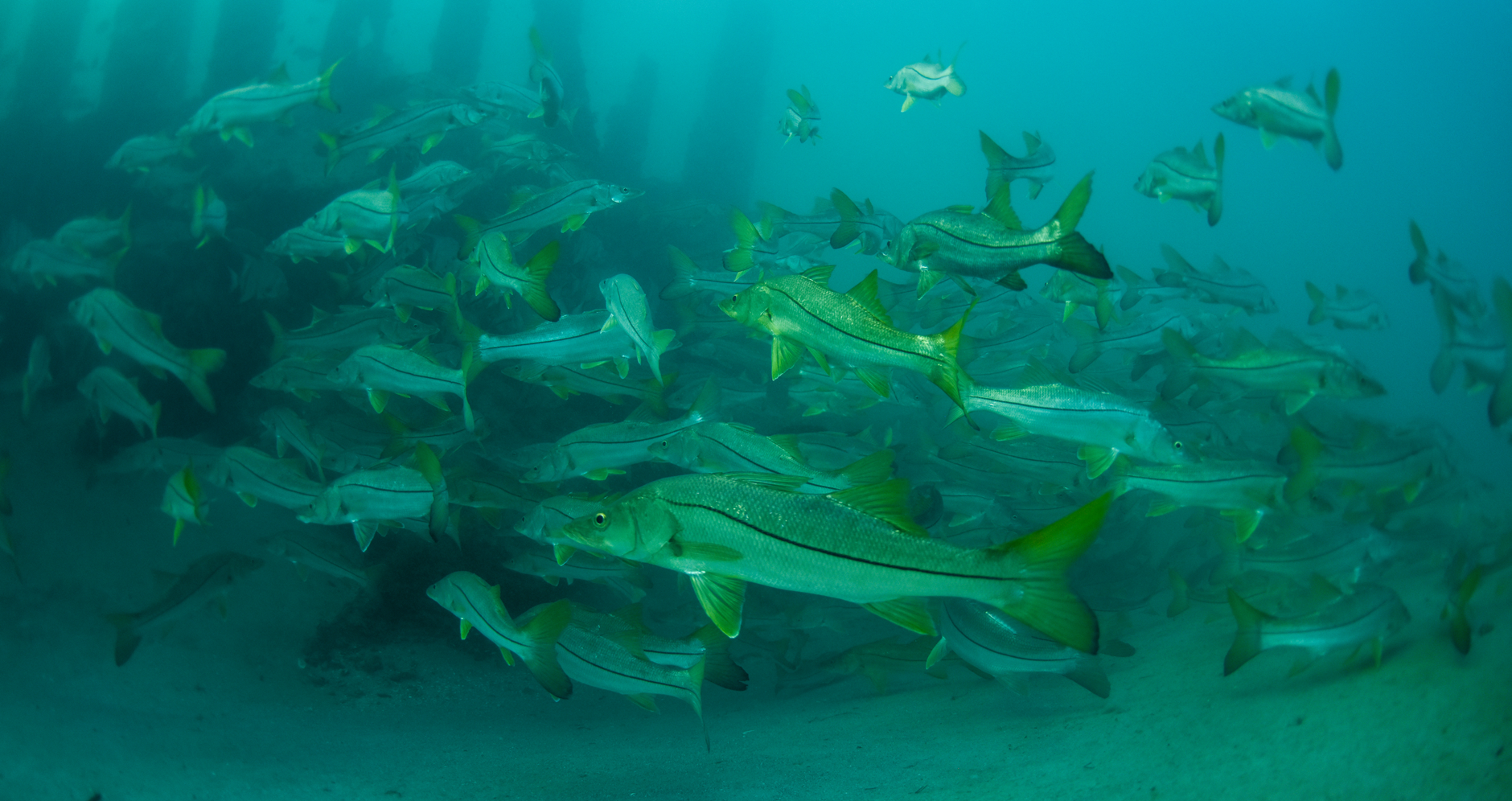
Summer brings some of the most exciting snook fishing opportunities of the year. As water temperatures climb, mature snooks move toward passes, beaches, inlets, and nearshore structures to spawn.
Large numbers of fish may gather in relatively small areas during this period, creating opportunities for anglers to encounter both quantity and quality. Common summer locations include:
- Gulf passes and inlets
- Beach troughs and surf zones
- Bridge systems near spawning areas
- Nearshore structure with strong current flow
While summer fishing can be exceptional, anglers should always be mindful of current regulations, as seasonal closures and harvest restrictions are designed to protect spawning fish and support long-term population health.
Fall Feeding Behavior
Many experienced anglers consider fall one of the most underrated seasons for snook fishing. As water temperatures begin to moderate and spawning activity winds down, fish often enter an aggressive feeding period.
During this time, snook focus heavily on building energy reserves before winter arrives. Schools of baitfish become a major target, and feeding opportunities can occur throughout the day. Fall anglers should focus on:
- Areas holding concentrations of bait
- Mangrove shorelines and creek mouths
- Docks and bridge systems
- Current breaks near feeding zones
This period often produces some of the most consistent action of the year, particularly when weather conditions remain stable.
Winter Cold Weather Movement
Winter presents unique challenges for snook anglers. Because snooks are a warm-water species, significant drops in water temperature can dramatically impact their behavior.
Rather than aggressively feeding, snooks often seek refuge in areas that provide warmer and more stable conditions. Common winter holding areas include:
- Deep canals
- Residential waterways
- Tidal rivers
- Protected backwater creeks
- Areas with darker bottoms that retain heat
Cold fronts can temporarily shut down feeding activity altogether, making patience and slower presentations critical for success.
Winter also highlights why conservation measures are so important. Historically, severe cold events have caused significant snook mortality in portions of Florida, leading fisheries managers to adjust regulations and harvest opportunities as populations recover.
The most successful snook anglers understand that seasonal patterns are constantly changing. Paying attention to water temperatures, bait activity, weather forecasts, and tidal conditions often provides valuable clues about where fish are likely to be holding at any given time.
Florida Snook Regulations & Conservation
Snook are one of Florida's most heavily managed recreational sportfish, and for good reason. Their popularity, sensitivity to cold weather, and vulnerability during spawning periods require careful management to maintain healthy populations throughout the state.
Florida's current snook regulations are managed on a regional basis, meaning seasons and harvest opportunities vary depending on where you are fishing. Before harvesting a snook, anglers should always verify the latest regulations through the Florida Fish and Wildlife Conservation Commission (FWC), as management decisions can change based on annual stock assessments, environmental conditions, and regional fishery health.
Current Snook Season
Florida uses regional management zones to determine when snook harvest is allowed.
Florida’s Gulf Coast snook seasons vary by management region. In the Panhandle, Big Bend, Tampa Bay, and Sarasota Bay regions, harvest is generally open:
- March 1 through April 30
- September 1 through November 30
It is closed December 1 through the end of February and May 1–August 31. These closures help protect fish during colder winter periods and peak spawning activity.
In the Charlotte Harbor and Southwest regions of the Gulf Coast, harvest is generally open
- March 1 through April 30
- October 1 through November 30
It is closed December 1 through the end of February and May 1–September 30.
Check the FWC’s current regulations and management-region map before keeping a snook, since the rules depend on where you’re fishing.
On Florida's Atlantic Coast, including the Northeast, Indian River Lagoon, and Southeast management regions, seasons differ slightly.
Harvest is generally open:
- February 1 through May 31
- September 1 through December 14
Harvest is generally closed:
- December 15 through January 31
- June 1 through August 31
*Atlantic regulations are managed separately due to regional differences in population dynamics, habitat conditions, and spawning behavior.
Current Slot Size Limits
Florida uses slot limits to protect juvenile fish and larger breeding adults.
Current recreational slot limits are:
- Gulf Coast Regions - 28 to 33 inches total length
- Atlantic Coast Regions - 28 to 32 inches total length
- Fish outside these slot ranges must be released immediately with the goal to allow harvest opportunities while protecting the most productive spawning fish that support future generations of snook.
Regional Management Zones
Florida now manages snook using a regional approach that evaluates fish populations and environmental factors within specific geographic areas. This allows FWC to make decisions that better reflect local conditions rather than applying a single statewide rule. Major management regions include:
Gulf Coast
- Panhandle
- Big Bend
- Tampa Bay
- Sarasota Bay
- Charlotte Harbor
- Southwest
Atlantic Coast
- Northeast
- Indian River Lagoon
- Southeast
For anglers fishing around Port Richey, Hudson, Tarpon Springs, and much of the central Gulf Coast, regulations generally fall within the Big Bend and Tampa Bay management regions depending on the exact location being fished.
Snook Permit Requirements
Anglers practicing catch-and-release only do not need a snook permit, although they must still comply with applicable fishing license requirements. To harvest snook in Florida, anglers must possess:
- A valid Florida saltwater fishing license (unless exempt)
- A valid Florida snook permit
Daily Bag Limits
Florida's recreational bag limit for snook is straightforward: One snook per person per day.
This limit applies during open harvest seasons and only when the fish falls within the legal slot size for the region being fished.
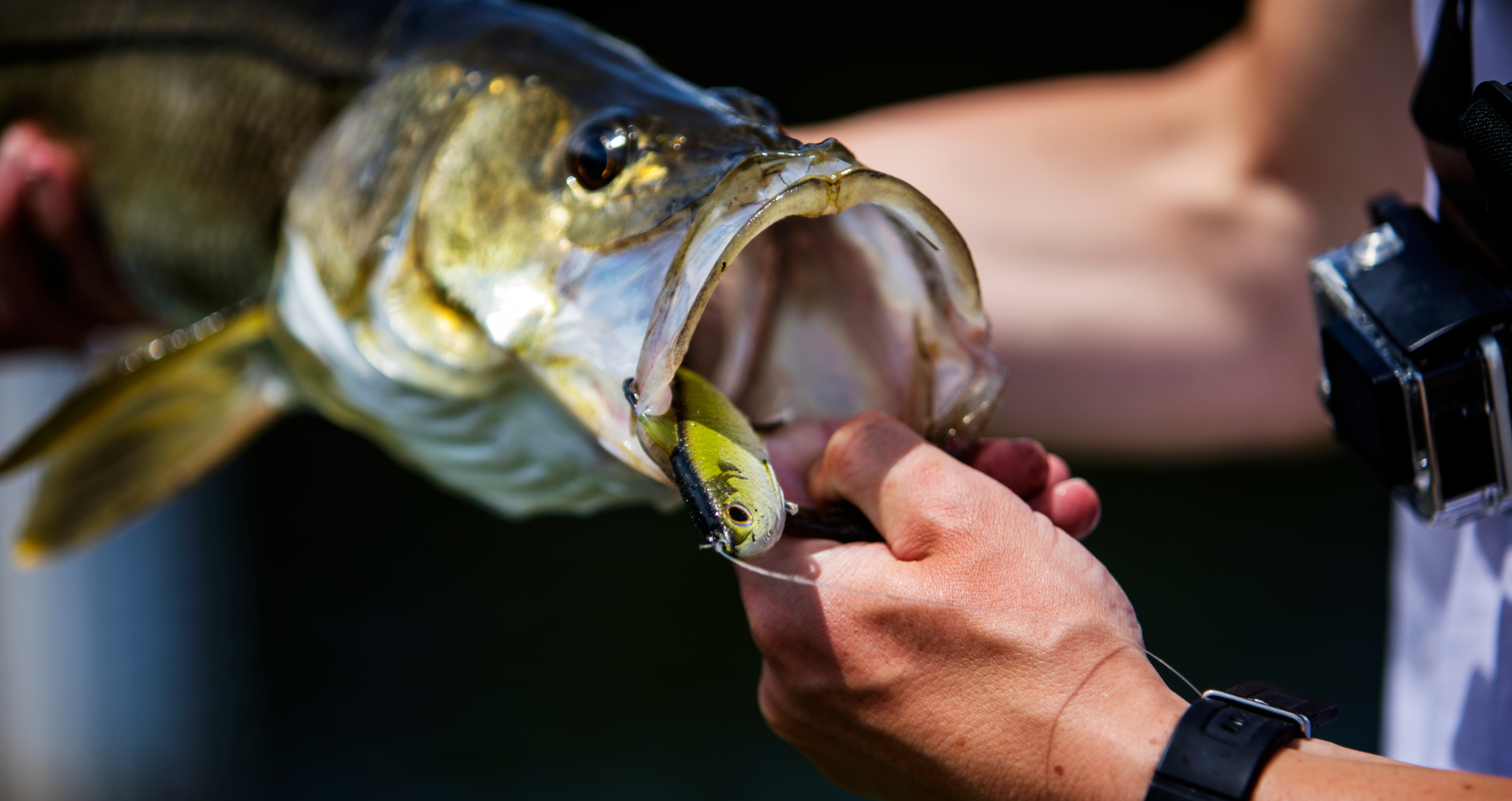
Catch-and-Release Rules
Even during closed seasons, anglers may typically target snook under catch-and-release regulations. Because snook are highly valued and carefully managed, proper fish handling is extremely important. Best practices include:
- Minimize handling time
- Keep fish in the water whenever possible
- Use appropriate tackle to reduce fight times
- Support larger fish horizontally
- Avoid placing fish on hot boat decks
Responsible catch-and-release practices help ensure released fish survive and continue contributing to Florida's fishery.
Why Snook Regulations Matter
Snook have become one of Florida's most prized sportfish, but maintaining healthy populations requires careful management. Unlike some fish species that reproduce quickly and tolerate a wide range of environmental conditions, snook are particularly sensitive to changes in water temperature and habitat quality. Because of these vulnerabilities, Florida's fisheries managers continually monitor populations and adjust regulations when necessary to support long-term sustainability.
The goal is simple: provide anglers with excellent fishing opportunities today while ensuring future generations can enjoy the same experience for years to come.
Protecting Florida’s Snook Population
Florida's snook regulations are designed to protect fish during critical stages of their life cycle. Seasonal closures help reduce harvest pressure during spawning periods, while slot limits protect both younger fish that have not yet reached maturity and larger breeding fish that contribute significantly to future populations.
These management strategies have helped Florida maintain one of the most respected recreational snook fisheries in the country. By protecting key portions of the population, fisheries managers can support healthy recruitment and long-term population stability.
Cold Weather and Red Tide Impacts
Because snook are a warm-water species, prolonged cold temperatures can cause significant fish kills. Florida anglers may remember several severe cold-weather events that resulted in widespread snook mortality across portions of the state. These events led to temporary harvest closures and additional conservation measures while populations recovered.
Red tide events can also impact snook populations by reducing water quality, affecting baitfish populations, and causing direct fish mortality in some areas. While healthy populations can recover, major environmental events often require fisheries managers to reassess local conditions and adjust regulations accordingly.
Why Seasons Sometimes Change
Many anglers notice that snook regulations occasionally change from year to year. These adjustments are not random—they are based on scientific data collected through population monitoring, angler surveys, environmental assessments, and ongoing fisheries research. FWC regularly evaluates factors such as:
- Population health and abundance
- Spawning success
- Environmental impacts
- Regional fishery conditions
- Angler harvest data
This regional management approach allows Florida to respond more effectively to local conditions rather than applying identical regulations across the entire state.
For anglers, the most important takeaway is that regulations are designed to support a healthy and sustainable fishery. Staying informed and following current rules helps ensure snook remain one of Florida's premier inshore gamefish for generations to come.
Preparing for Successful Snook Fishing
One of the reasons snook fishing is so rewarding is that success often comes down to preparation. The good news is that snook are opportunistic predators. They feed on a variety of baitfish and crustaceans, respond well to artificial presentations, and can be targeted successfully in everything from kayaks to fully-rigged bay boats. Matching your approach to the conditions and the fish's behavior is often the difference between a frustrating day and a memorable one.
Best Baits for Snook
When it comes to natural bait, the best choice is usually whatever forage is naturally present in the area. Snook are ambush feeders and rarely pass up an easy meal when conditions are right.
Live Bait Options
Live bait remains one of the most productive ways to target snook throughout Florida. Popular options include live Shrimp, Pilchards (whitebait), Threadfin Herring, and scaled Sardines.
These baits work exceptionally well around mangroves, docks, bridges, and tidal creeks where snook naturally feed.
Finger Mullet and Larger Baits
When targeting larger fish, many experienced anglers prefer larger bait presentations. Common choices include Finger Mullet, Pinfish, Grunts, and larger Threadfins.
These baits can help attract trophy-class snook, especially around passes, bridges, and deeper structure where larger fish tend to hold.
Dead Bait That Works
While live bait often gets the most attention, dead bait can be surprisingly effective.
Fresh-cut mullet, ladyfish, pinfish, and other oily baitfish can produce excellent results when fished near strong current or structure. Dead bait is often a practical option when live bait is difficult to acquire or maintain.
Best Artificial Lures for Snook
Topwater Plugs
Few experiences in fishing compare to watching a snook explode on a topwater lure. Topwater plugs are particularly effective:
- Early in the morning
- Late in the evening
- During low-light conditions
- Around active baitfish
Paddle Tail Soft Plastics
Paddle tails are among the most versatile snook lures available. Their natural swimming action closely resembles many of the baitfish snook feed on daily. They can be fished:
- Along mangrove edges
- Around docks
- Through potholes on flats
- Along channel edges
Jerkbaits and Twitch Baits
Suspending and slow-sinking jerkbaits excel when fish are holding near structure. Their erratic action often triggers strikes from snook that are reluctant to chase faster-moving presentations.
Swimbaits and Jigs
Swimbaits and jig combinations provide excellent versatility and can effectively target fish holding at various depths. They are especially productive around:
- Bridge pilings
- Passes
- Deeper channels
- Current breaks
Best Tackle Setup for Snook
Snook are powerful fish that frequently live around structure capable of quickly ending a fight. Choosing the right tackle helps anglers land more fish while reducing stress on released fish.
Rod and Reel Recommendations
A medium-heavy spinning setup remains one of the most versatile options for snook fishing. This combination provides enough power to control fish while still allowing accurate casting around structure. A typical setup includes:
- 7' to 7'6" medium-heavy rod
- 3000-4000 size spinning reel
- Smooth drag system capable of handling strong runs
Braided Line vs. Monofilament
Most modern snook anglers prefer braided line due to its strength, sensitivity, and casting distance. Monofilament still has applications but is used less frequently as a primary line for snook fishing. Benefits of braid include:
- Better hooksets
- Increased sensitivity
- Improved casting performance
- Greater strength for diameter
Leader Selection Matters
Snook possess abrasive mouths and sharp gill plates that can quickly wear through lighter leaders. Leader selection should balance stealth with durability based on conditions. Most anglers use:
- 20-30 lb fluorocarbon in clear water
- 40-60 lb fluorocarbon around heavy structure
- Heavier leaders when targeting trophy fish
Hooks and Rigging Tips
Simple and effective rigging often produces the best results. Keeping rigs simple often improves bait presentation and reduces unnecessary complications on the water. Popular options include:
- Circle hooks for live bait
- J-hooks for artificial presentations
- Weedless rigging around mangroves
- Jig heads matched to water depth and current
Understanding Prime Snook Fishing Conditions
Even the best bait and tackle cannot overcome poor conditions. Learning to recognize favorable conditions can dramatically improve success.
Tide Movement
Tide movement is often the single most important factor in snook fishing. Slack water periods frequently produce slower fishing. Many anglers specifically target:
- Incoming tides
- Outgoing tides
- Strong current flow
- Areas where current concentrates bait
Water Temperature
Snook thrive in warm water. Monitoring water temperature can provide valuable clues about fish location and behavior. Generally speaking:
- Active feeding increases as water temperatures rise
- Cold fronts often slow activity
- Extended cold periods push fish toward protected areas
Moon Phases
Stay with us here, moon phases influence tides, bait movement, and feeding activity. These periods often produce some of the year's most productive fishing opportunities. Many anglers pay close attention to:
- New moon periods
- Full moon periods
- Strong tidal exchanges associated with moon cycles
Early Morning vs Evening Bite
Low-light conditions consistently produce some of the best snook action. During these times, snook frequently become more aggressive and willing to move away from cover to feed. Prime windows often include:
- Sunrise
- Sunset
- Overcast days
- Nighttime periods around lighted structure
Best Boats for Snook Fishing
While snook can certainly be caught from shore, docks, and kayaks, having the right boat opens access to productive water that many anglers cannot easily reach.
Bay Boats
Bay boats offer one of the most versatile platforms for targeting snook. Their combination of shallow draft, casting space, and open-water capability makes them ideal for Florida's inshore and nearshore waters.
Flats Boats
Flats boats excel when stealth and shallow-water access are priorities. They are particularly effective for targeting fish along mangrove shorelines, grass flats, and backwater areas.
Hybrid Boats
Hybrid boats blend the best characteristics of flats boats, bay boats and offshore-capable designs. They provide flexibility for anglers who pursue multiple species in a variety of environments.
Kayaks and Smaller Fishing Platforms
Kayaks continue to grow in popularity among snook anglers. Their ability to quietly access shallow water, mangrove tunnels, and protected backwaters makes them highly effective tools for targeting pressured fish.
How To Catch More Snook
Once you've found productive water and equipped yourself with the right gear, success often comes down to presentation, timing, and understanding how snook use their environment. While there is no single "perfect" technique, successful anglers tend to focus on areas with moving water, available bait, and nearby structures where snook can ambush their prey.
The good news is that snook can be targeted using a variety of approaches, from casting live bait beneath mangroves to working artificial lures around dock lights after dark. Learning a handful of proven techniques can dramatically increase your chances of success.
Fishing Around Mangroves
Mangroves provide everything a snook needs: shade, protection, current breaks, and easy access to baitfish. As a result, they are often one of the first places anglers look when targeting snook. Many strikes occur immediately after a bait or lure enters the strike zone, so accuracy often matters as much as lure selection. When fishing mangroves:
- Focus on points, pockets, and overhanging branches
- Cast tight to the structure whenever possible
- Work baits naturally with the current
- Pay attention to areas holding visible baitfish
Targeting Docks, Bridges & Structures
Docks and bridges are some of Florida's most productive snook habitats. These structures provide shade during the day and serve as feeding stations when tides move bait through the area. The challenge is convincing fish to bite while preventing them from reaching structure after the hookset. Strong tackle and quick reactions can make all the difference when fishing these environments. Successful anglers often focus on:
- Dock pilings
- Seawalls
- Shadow lines
- Bridge supports
- Current seams
Beach Snook Fishing
One of the most exciting ways to target snook is along Florida's beaches during the warmer months. Sight fishing opportunities are common when water clarity is good, allowing anglers to spot cruising fish before making a cast. A well-placed cast ahead of a moving fish often produces dramatic strikes in shallow water. Look for:
- Troughs and cuts along the shoreline
- Areas with concentrations of baitfish
- Sandbars and drop-offs
- Early morning and evening feeding periods
Fishing Moving Water and Current
If there is one factor that consistently influences snook behavior, it's current. Rather than fishing randomly, many experienced anglers seek out areas where current naturally funnels bait toward waiting fish. Creek mouths, bridge openings, passes, and shoreline points are all excellent places to start. Moving water:
- Delivers baitfish
- Provides oxygen-rich conditions
- Creates ambush points
- Concentrates feeding opportunities
Presenting Baits Naturally
Whether using live bait or artificial lures, natural presentation is critical. Snook often position themselves to intercept prey carried by moving water, so presentations that mimic this behavior generally produce the most consistent results. For best results:
- Allow baits to move with the current when possible
- Avoid excessive lure action
- Match the size of local forage
- Make multiple casts to productive structure
Effective Night Fishing
Ask many experienced snook anglers about their favorite time to fish, and they'll often answer with a single word: night. For many anglers, some of the year's best snook fishing occurs after sunset.
As daylight fades, snook frequently become more aggressive and move into feeding positions around lighted structures, shorelines, and channels. Reduced boat traffic and lower light conditions often make fish more comfortable leaving cover to feed.
Dock Lights and Bridge Lights
Artificial lighting attracts baitfish, which in turn attracts predators. Many strikes occur when a lure or bait moves naturally from the illuminated water into the shadow line. When fishing lighted areas:
- Focus on the edges of the light
- Target the transition between light and darkness
- Observe bait movement before making a cast
- Avoid spooking fish with excessive noise or boat movement
Safety Tips for Night Fishing
Night fishing can be extremely productive, but safety should always remain a priority. A little preparation can make nighttime fishing both productive and enjoyable. Before heading out:
- Verify navigation lights are functioning properly
- Carry a reliable flashlight or headlamp
- Wear a life jacket when appropriate
- Familiarize yourself with the area during daylight hours
- Monitor weather conditions closely
Fighting and Landing Snook
Hooking a snook is only half the battle. Their powerful runs, sharp gill plates, and tendency to seek out structure make them one of Florida's most challenging inshore species to land.
Why Snook Fight So Hard
Snook are built for short bursts of explosive power. Once hooked, they often make strong runs toward nearby structure while using their broad tails to gain leverage against the angler. Even smaller fish can put up impressive fights when hooked in current. It's common to experience:
- Powerful initial runs
- Sudden changes in direction
- Violent head shakes
- Multiple surges near the boat
Managing Drag and Structure
One of the biggest mistakes anglers make is allowing a hooked fish to reach structure. Finding the balance between pressure and control is key to landing more fish. To improve landing success:
- Apply steady pressure early in the fight
- Keep fish away from dock pilings and mangroves
- Avoid overly tight drag settings
- Stay patient during sudden runs
Landing Techniques
As the fish approaches the boat or shoreline, many anglers lose focus and rush the process. Patience during the final moments of the fight often determines whether a fish is landed or lost. Instead:
- Allow the fish to tire naturally
- Keep steady tension on the line
- Use a landing net when appropriate
- Avoid lifting larger fish solely by the jaw
Proper Fish Handling Practices
Whether harvesting a legal fish or practicing catch-and-release, responsible handling helps protect Florida's snook fishery. Healthy releases help ensure future anglers have the opportunity to enjoy this remarkable sportfish. Best practices include:
- Wet hands before handling fish
- Support larger fish horizontally
- Limit time out of the water
- Avoid dragging fish across boat decks
- Release fish quickly and carefully
Common Mistakes To Avoid
Even experienced anglers occasionally overlook simple factors that can dramatically impact success. Avoiding a few common mistakes can often lead to more consistent results. Often, small adjustments in location, timing, or presentation can make a significant difference in overall success. Some of the most common include:
- Fishing slack or "dead" water instead of focusing on moving tides
- Ignoring tide changes and fishing productive areas at the wrong time
- Using leaders that are too light around structure-heavy environments
- Working lures too quickly when fish are feeding more naturally
- Making casts too far from structure where snook are unlikely to be holding
- Overlooking nighttime opportunities, when many fish feed most aggressively
- Failing to adjust to seasonal patterns throughout the year
- Rushing the fight or landing process, resulting in lost fish near the boat
Why Florida’s Gulf Coast Is a Snook Fishing Paradise
Florida offers exceptional snook fishing opportunities throughout much of the state, but the Gulf Coast has earned a special reputation among anglers pursuing this iconic gamefish. From expansive estuaries and mangrove shorelines to winding rivers, residential canals, and nearshore beaches, the region provides the diverse habitats snook need to thrive.
The variety of water available allows anglers to target snook using multiple techniques throughout the year, whether casting live bait beneath mangroves, sight fishing along beaches, or working artificial lures around dock lights after dark.
Tampa Bay
As one of Florida's largest estuarine systems, Tampa Bay supports a healthy population of snook and provides countless fishing opportunities. The combination of mangrove shorelines, residential canals, creeks, bridges, and open-water structure creates ideal habitat for fish of all sizes. The bay's diversity allows productive fishing throughout much of the year. Anglers throughout the region regularly target snook around:
- Mangrove shorelines
- Residential docks
- Bridge systems
- Creek mouths
- Tidal flats
Hudson & The Nature Coast
North of Tampa Bay, the Nature Coast presents a different but equally productive snook fishery. Extensive marsh systems, tidal creeks, river mouths, and shallow estuaries create ideal feeding and nursery habitat.
The Hudson area has become increasingly popular among anglers looking to explore less-developed stretches of coastline while still enjoying excellent inshore fishing opportunities.
Tarpon Springs & The Anclote River
The waters surrounding Tarpon Springs and the Anclote River offer a mix of structure, current flow, and estuarine habitat that consistently attracts snook. Residential canals, river systems, docks, and nearby coastal waters provide anglers with numerous options depending on seasonal conditions.
The area's proximity to both protected backwaters and open Gulf waters makes it particularly attractive for anglers seeking year-round opportunities.
Port Richey Backwaters
The Port Richey area offers anglers access to productive snook habitat through the Pithlachascotee River, nearby canals, mangrove shorelines, and interconnected backwater systems. For local anglers, these areas often provide consistent action without requiring long runs offshore. These waters provide:
- Protected winter habitat
- Productive feeding zones
- Excellent dock fishing opportunities
- Access to nearby Gulf waters
Mangrove Shorelines and Backwaters
Perhaps no habitat is more synonymous with snook fishing than Florida's mangrove-lined estuaries. These ecosystems support baitfish, shrimp, crabs, and countless other forage species that help sustain healthy snook populations.
Whether fishing a remote shoreline, a quiet creek, or a busy estuary, anglers will often find that where mangroves and moving water intersect, snook are rarely far away.
Final Thoughts
Snook have earned their reputation as one of Florida's premier inshore gamefish through sheer determination and grit. Their explosive strikes, powerful fights, and tendency to hold around challenging structures create an experience that keeps anglers returning to the water season after season.
Whether you're fishing the mangrove shorelines of Tampa Bay, exploring the backwaters around Port Richey and Hudson, or casting along Gulf Coast beaches during the summer months, understanding snook behavior, habitat, regulations, and fishing techniques can dramatically improve your success.
Perhaps most importantly, responsible fishing practices help ensure future generations can enjoy the same opportunities that make snook such a treasured part of Florida's fishing heritage. By staying informed, following current regulations, and practicing proper fish handling techniques, anglers play an important role in preserving one of the state's most iconic fisheries.
For those willing to learn their habits and put in the time on the water, few fish deliver the excitement, challenge, and reward of a Florida snook.

