Maintaining Clean and Polished Pontoons
Has it been a while since your pontoon turned heads at the dock—and now the shine has faded, the logs look a little dull, and you’re starting to wonder if it’s time for a refresh? Professional polishing might promise quick results, but with price tags climbing past $400, it’s not always the most appealing option for your wallet.
The good news? Bringing your pontoon back to life is absolutely within reach. And more importantly, it’s not just about looks. Clean pontoons allow your boat to run better, handle more smoothly, and stand up stronger against the elements. From cutting down drag in the water to preventing oxidation before it takes hold, a little hands-on care can go a long way. With the right process - and a bit of elbow grease - you can restore that like-new shine and get more out of every day on the water.
The What, How and Why of Aluminum Pontoons
Aluminum pontoons are the foundation of pontoon boats, providing both buoyancy and stability. These hollow, cylindrical tubes support the entire structure of the boat, allowing it to float evenly and remain stable even with multiple passengers onboard.
How Pontoons Keep Your Boat Stable on the Water
The design of pontoons distributes weight across a wide surface area, which reduces rocking and creates a smoother ride. This stability is one of the main reasons pontoon boats are so popular for families, fishing, and recreational cruising.
Why Aluminum Is Used for Pontoon Boats
Lightweight, durable and less likely to corrode, aluminum is the material of choice for pontoons. While it doesn’t rust like steel, aluminum is still highly susceptible to oxidation and staining—especially when exposed to saltwater for extended periods of time, like the gulf off Florida’s west coast.
Performance, Longevity and Value Matters
Keeping your pontoons clean is about far more than appearance - it’s a fundamental part of responsible boat ownership that directly impacts how your boat performs, how long it lasts, and how much value it retains over time. While a polished finish certainly looks great on the water, the real benefits go deeper.
From reducing drag and improving fuel efficiency to preventing long-term damage like oxidation and superficial corrosion, consistent maintenance plays a critical role in protecting your investment. When left unchecked, buildup and environmental exposure can quickly take a toll - with regular care, your pontoon will not only look better, it will perform better every time you head out.
Protect Your Pontoon’s Strength and Lifespan
Aluminum can degrade over time if left untreated. Regular cleaning removes harmful buildup before it has a chance to cause long-term damage, helping preserve the structural integrity of your pontoons.
Dirty Pontoons Affect Speed, Fuel Mileage, and Handling
When buildup like algae, barnacles, and mineral deposits accumulate, they create drag in the water. This makes your engine work harder, reducing fuel efficiency and slowing your boat down.
Prevents Oxidation, Corrosion, and Water Stains
Oxidation can occur quickly—sometimes within days—especially in certain water conditions. Addressing it early makes cleaning and polishing much easier than trying to restore heavily damaged surfaces later.
Maintains Your Boat’s Appearance and Resale Value
A clean, polished pontoon doesn’t just look better—it holds its value better. First impressions matter, especially if you ever plan to sell or trade in your boat.
The Root Cause of Dirty or Dull Pontoons
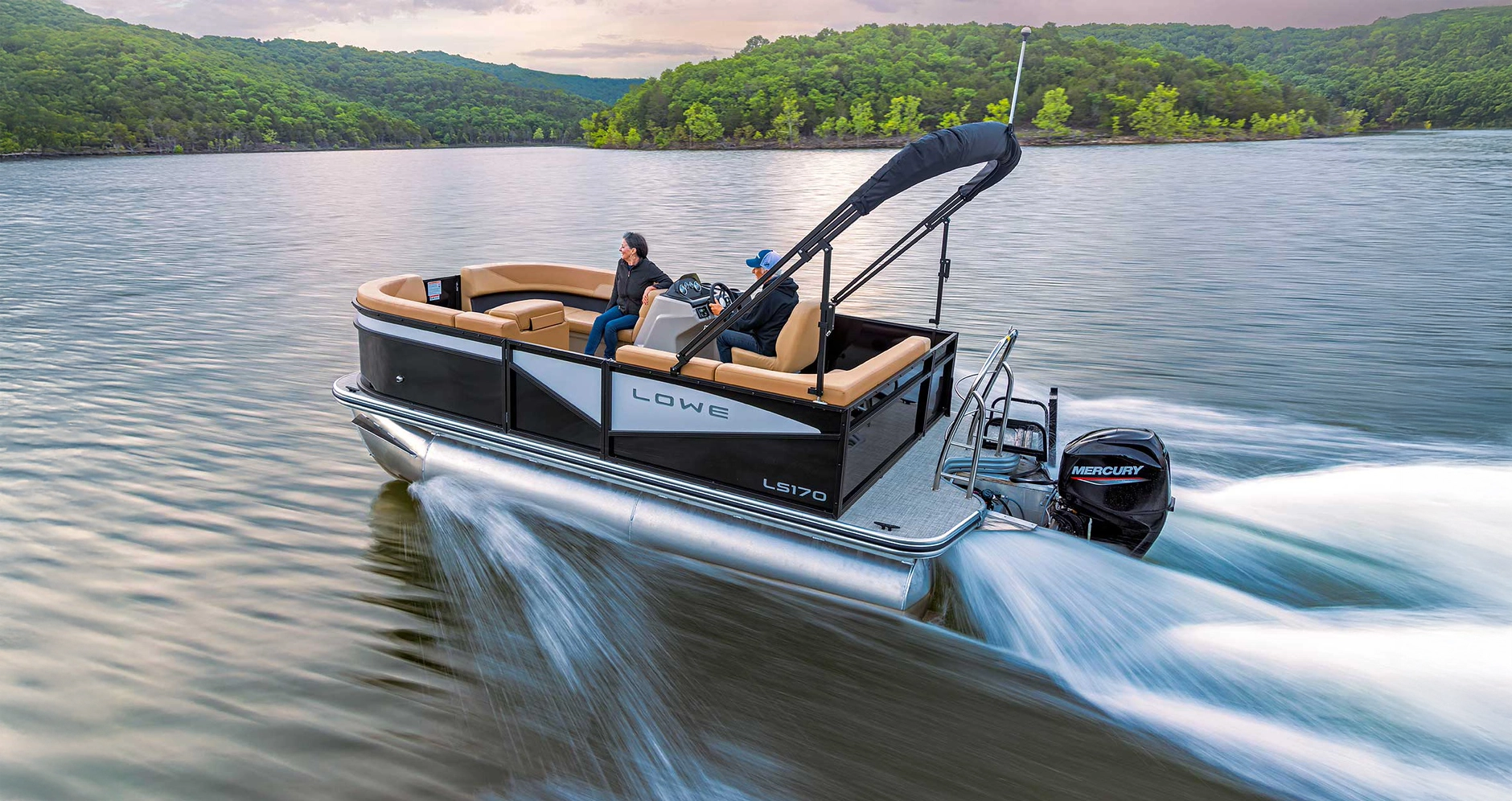
Keeping your pontoons looking their best starts with understanding what’s working against them. From natural chemical reactions to environmental exposure, your boat is constantly interacting with elements that can dull its finish and impact performance.
These issues often build gradually, which makes them easy to overlook—until the shine is gone and restoration becomes more time consuming. By recognizing the most common causes early on, you can take a more proactive approach to cleaning, helping preserve both the appearance and longevity of your pontoon.
- Oxidation and chalky build-up – Oxidation occurs when aluminum reacts with oxygen and moisture, resulting in a dull, chalky surface that can develop surprisingly quickly and is one of the most common issues pontoon owners face.
- Hard water deposits and mineral stains – Minerals in the water can leave behind stubborn stains that cling to the surface, dulling the finish and often requiring specialized cleaners to fully remove.
- Algae, barnacles, and marine growth – Organic buildup can attach to your pontoons in a short amount of time, especially if the boat is left in the water for extended periods, negatively impacting both appearance and performance.
- Scum lines and organic water stains – A visible “waterline” often forms where contaminants collect, creating a dark, uneven band that can be difficult to remove if left untreated.
- Saltwater vs freshwater build-up – Saltwater accelerates corrosion and staining, while freshwater can still introduce mineral deposits and organic buildup, making consistent cleaning essential regardless of where you boat.
Supplies: What You Need Before You Start
Before diving into the cleaning and polishing process, taking a few moments to gather the right supplies can make all the difference in both your results and your overall experience. Having the proper tools on hand not only helps you work more efficiently, but also ensures you’re protecting the integrity of your pontoons while achieving a clean, polished finish. With the right setup, what might feel like a daunting task becomes much more manageable—and even a bit enjoyable.
- Safe cleaners for aluminum pontoons – Use a dedicated aluminum cleaner or a properly diluted solution designed to remove oxidation, salt deposits, and grime. Always follow manufacturer instructions and test on a small, inconspicuous area first to ensure compatibility.
- Brushes, pads, and towels – Soft brushes, sponges, and cloths are ideal for cleaning without scratching the aluminum surface, while terry cloths are especially effective for buffing during the polishing process.
- Aluminum polish and protective coatings – A marine-grade metal polish is essential for restoring shine and bringing your pontoons back to life, while a protective sealant helps guard against future oxidation, buildup, and environmental exposure.
- Safety gear and gloves – Protective gloves and eye protection are recommended when working with cleaners and chemicals, helping you stay safe and comfortable throughout the process.
Step 1: Rinse and Inspect Your Pontoon
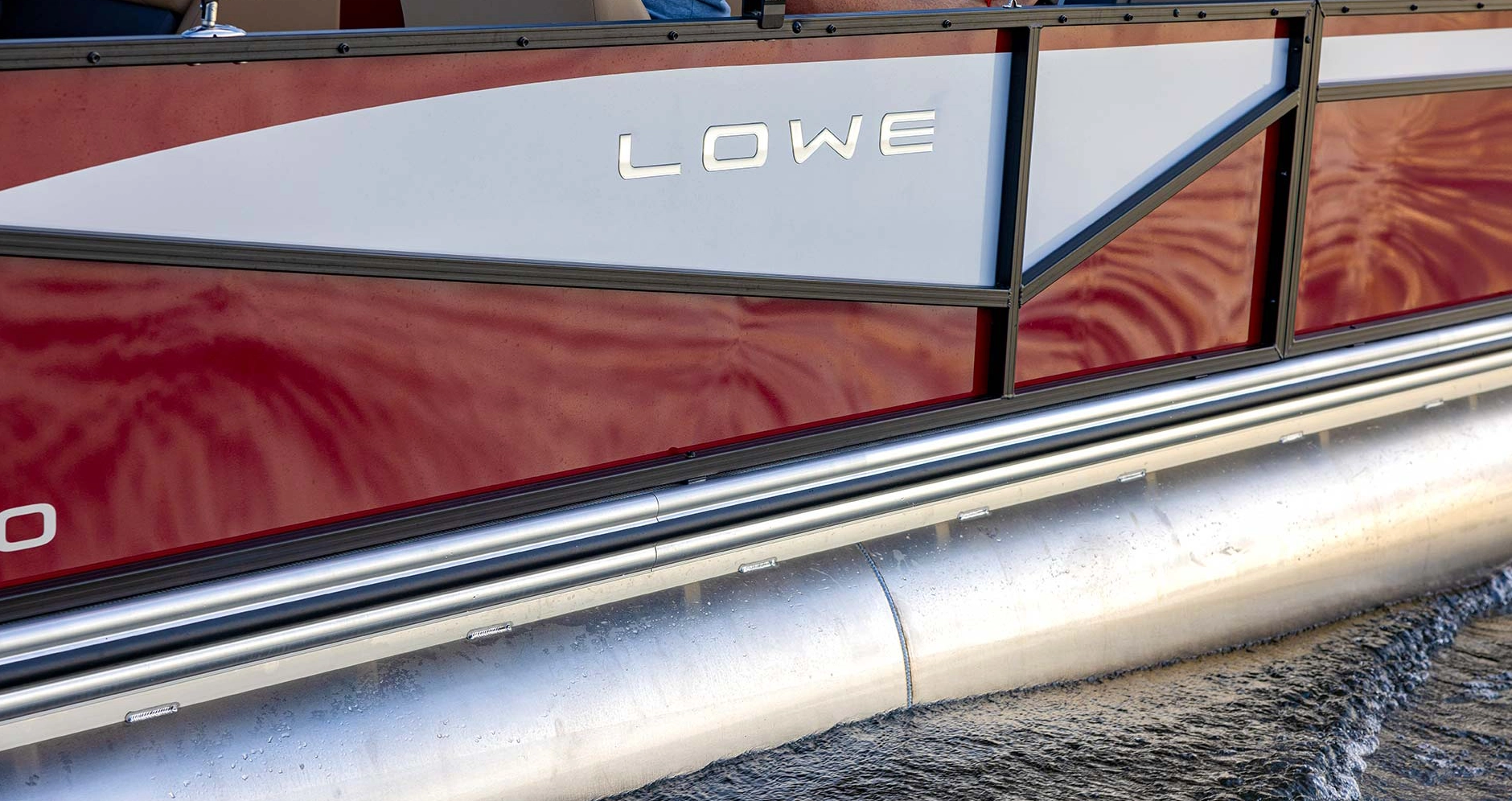
Now that you have the supplies needed to clean and polish your pontoon, the first step is properly preparing the surface. Taking a few extra minutes to rinse and inspect your pontoons not only makes the cleaning process more effective, but also helps you identify any areas that may need additional attention before you begin.
Wash Off Loose Dirt, Salt, and Debris
If you’ve been diligent about rinsing your boat after each outing, this step will be quick and straightforward. Use a hose or power washer to remove loose dirt, salt, and debris, clearing the surface so cleaners can work more effectively.
Check for Dents, Damage, or Corrosion
Take a moment to closely inspect your pontoons for any visible dents, cracks, or signs of corrosion. Catching these issues early allows you to address them before they become more serious problems.
Look for Areas with Heavy Build-Up
Identify sections with noticeable discoloration, algae, or staining, as these areas may require extra cleaning effort. Spotting these trouble areas ahead of time helps ensure a more even and thorough result.
Step 2: Properly Clean Your Aluminum Pontoon
Cleaning is one of the most critical - and most impactful - steps in the entire pontoon maintenance process. This is where you remove the layers of buildup that dull your boat’s appearance and hinder its performance, setting the stage for everything that follows, including polishing and protection. Done correctly, this step not only restores the look of your aluminum but also helps prevent long-term damage.
Approach this stage with care and intention. Using the right products, working in manageable sections, and following proper techniques will ensure you achieve an even, streak-free finish without harming the aluminum surface. Rushing through or skipping details here can lead to inconsistent results, meaning more work, and potential financial impacts, later on. Taking the time to clean thoroughly and correctly will make every step that follows more effective—and far more rewarding.
Choose the Right Cleaner
Apply an aluminum cleaner specifically designed to remove discoloration, oxidation, and buildup. While some boaters use diluted household cleaners, marine-specific products are recommended for more consistent results and to protect the integrity of the aluminum surface.
Remove Water Stains and Scum Lines In Sections
Apply the cleaner in manageable sections, allowing it to sit briefly so it can break down stains before rinsing thoroughly. Be sure not to let the cleaner dry on the surface, as this can lead to streaking and require additional cleaning.
Clean Off Algae and Marine Growth
Use a sponge or soft brush to gently scrub away algae, barnacles, and other organic buildup. Taking your time here helps ensure a thorough clean without damaging the aluminum or spreading residue across the surface.
Safe Scrubbing Tips To Avoid Damaging Aluminum
Stick to gentle, circular motions when scrubbing, which helps lift grime evenly while minimizing the risk of visible marks. Avoid abrasive pads or harsh tools that can scratch or dull the finish.
Areas to Avoid While Cleaning
Be cautious around decals, wiring, and other sensitive components, as strong cleaners can cause fading or damage. When in doubt, rinse these areas quickly or clean them separately using milder solutions.
Step 3: Removing Oxidation
Once your pontoon is thoroughly cleaned, the next step is addressing oxidation - the primary reason aluminum loses its shine over time. This stage focuses on restoring the surface by removing that dull, weathered layer and preparing it for polishing. Taking a little extra care here can make a noticeable difference in how bright and even your final result looks.
What Oxidation Looks Like on Pontoons
It often appears as dull, faded, or chalky areas on the aluminum surface, sometimes creating an uneven or cloudy look that diminishes the overall appearance of your boat.
When To Use an Aluminum Brightener
If discoloration is more pronounced or widespread, an aluminum brightener can help restore the original look by breaking down stubborn oxidation and lifting deeper stains from the surface.
How To Restore Dull or Chalky Surfaces
Repeat the cleaning process as needed, working in sections to ensure consistent results, until the surface appears evenly cleaned and is properly prepped for polishing.
Common Mistakes to Avoid
Letting cleaner dry on the surface or skipping sections can lead to streaking and uneven results, making it more difficult to achieve a uniform finish during polishing.
Step 4: How To Polish Aluminum Pontoons
This is where the transformation really happens—where all the prep work pays off and your pontoons begin to regain that eye-catching shine. While it does require some time and patience, polishing is what takes your boat from clean to truly restored.
Polishing Matters…Really, It Does
Polishing restores shine and enhances the overall appearance of your boat, helping to bring back that like-new finish while also smoothing out minor imperfections left behind after cleaning.
Hand Polishing vs Machine Polishing
While hand polishing is possible, using a polishing ball attached to a cordless drill significantly speeds up the process and delivers more consistent results, especially across larger surface areas.
Getting a Smooth, Shiny Finish
Apply polish using tight circular or “S” motions, gradually increasing speed as it begins to absorb into the aluminum. Avoid straight-line movements to prevent visible streaks, and finish by buffing thoroughly with a terry cloth to achieve an even, reflective shine.
How Often You Should Polish
Polishing is time-consuming and typically only needed occasionally, especially if you stay consistent with routine cleaning and apply a protective coating to maintain the finish.
Step 5: How To Protect Your Pontoons After Polishing
Protection is key to maintaining your results and ensuring all the time and effort you’ve put into cleaning and polishing pays off long-term. Without a protective layer, aluminum is quickly exposed again to the elements, which can lead to oxidation and buildup returning sooner than expected.
Apply a Protective Coating
Apply a marine-grade sealant designed for aluminum surfaces to help protect against oxidation, algae, and mineral buildup. Be sure to follow the manufacturer’s instructions for proper application to achieve the best and most even coverage.
Protective Coatings Help Keep Them Cleaner Longer
Sealants create a barrier that reduces how quickly contaminants adhere to the surface, making routine cleaning easier and helping preserve that freshly polished look.
Help That Shine Last Longer
Regular rinsing after each outing and periodic reapplication of sealant will go a long way in extending the life of your polish and keeping your pontoons looking their best over time.
Routine Maintenance Between Deep Cleanings
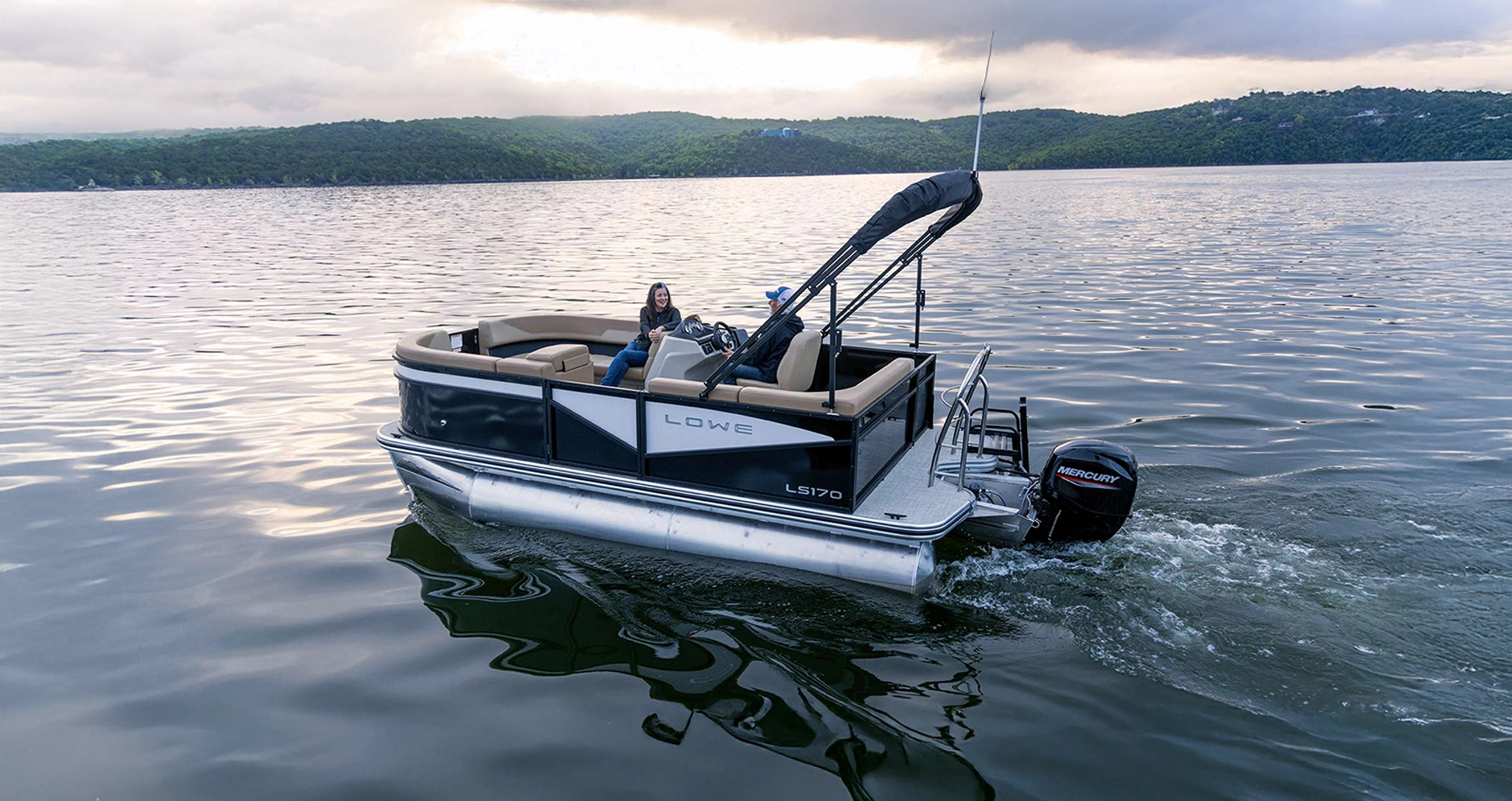
While a full cleaning and polish can completely transform your pontoons, it’s the routine maintenance in between that truly keeps them looking their best over time. Staying consistent with a few simple habits not only preserves that freshly polished shine, but also prevents buildup from reaching the point where it becomes difficult—and time-consuming—to remove.
A little effort after each outing and periodic check-ins can go a long way in extending the life of your pontoons and reducing the need for intensive restoration.
- After Every Outing – Rinse your pontoons thoroughly with fresh water to remove salt, dirt, and debris before it has a chance to dry and adhere to the surface.
- Monthly Maintenance Checklist – Take time to inspect for discoloration, early oxidation, or light buildup, and clean problem areas before they become more noticeable or harder to remove.
- Seasonal Cleaning Tips – Plan for a more thorough cleaning and polish at least once per season to reset the surface and maintain a consistent finish.
- Saltwater Cleaning Must-Dos – If you boat in saltwater, more frequent rinsing and maintenance are essential to prevent corrosion and long-term damage caused by salt exposure.
Avoid Common Mistakes in Maintaining Pontoons
Even with the best intentions, a few small missteps can impact your results and, in some cases, do more harm than good. Proper pontoon care isn’t just about what you do—it’s also about what you avoid. Being mindful of common mistakes can save you time, protect your aluminum, and ensure all your effort pays off with a clean, polished finish that lasts.
Using Harsh Acid Cleaners
Strong acid-based cleaners can damage aluminum if not used properly, potentially causing discoloration or etching on the surface. Always choose products specifically designed for marine aluminum and follow dilution and application instructions carefully.
Using Steel Wool or Rough Pads
Abrasive materials like steel wool or rough scrubbing pads can scratch the aluminum, leaving behind visible marks that are difficult to remove. Stick to soft brushes, sponges, or cloths to clean effectively without compromising the finish.
Letting Stains Sit Too Long
Delaying cleaning allows stains, oxidation, and buildup to set in deeper, making them significantly harder to remove over time. Addressing issues early not only saves effort but also helps maintain a more consistent appearance.
Skipping the Final Rinse and Dry
Failing to thoroughly rinse and dry your pontoons can leave behind cleaner or polish residue, resulting in streaks, water spots, or a dull finish. Taking a few extra minutes to properly rinse and wipe down the surface ensures a cleaner, more professional result.
When It’s Time to Call a Professional
Sometimes, professional help is the best option - especially when dealing with issues that go beyond routine cleaning and polishing. In these cases, attempting a DIY approach may not deliver the results you’re looking for and could even risk further damage without the proper tools or expertise. Call a professional when considering the below concerns:
- Deep oxidation – Severely oxidized aluminum may require specialized restoration techniques to bring back its original finish.
- Heavy corrosion – Advanced corrosion can compromise the structural integrity of your pontoons and should be addressed promptly.
- Structural damage – Dents, cracks, or other physical damage should always be evaluated by a professional to ensure safety on the water.
- Severe marine growth – Heavy buildup may require professional-grade equipment and treatments to fully remove without harming the aluminum.
Final Thoughts
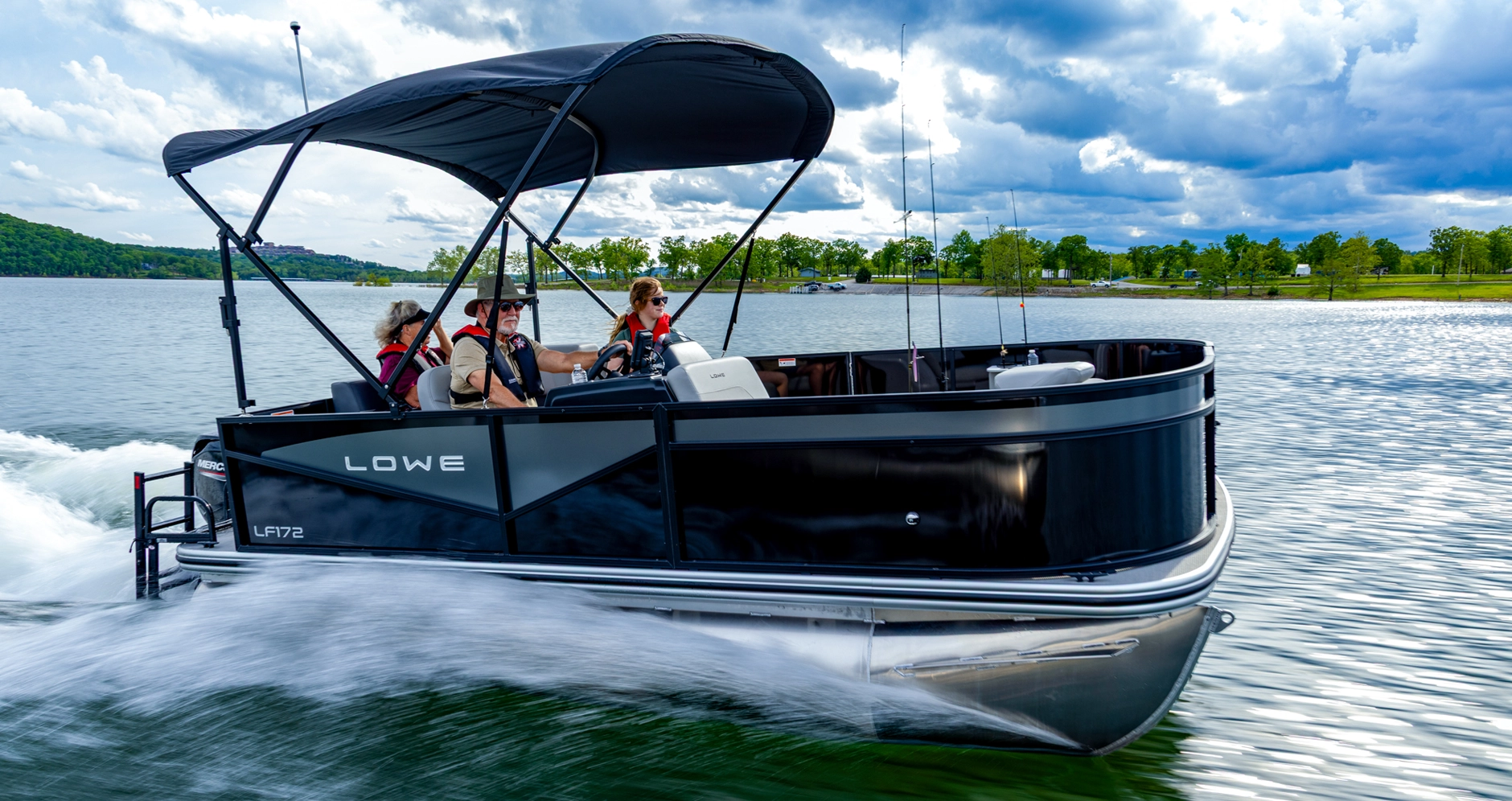
Admittedly, cleaning and polishing your pontoon can feel like a big undertaking. It requires time, patience, and a bit of elbow grease; however the results are well worth it. With the right approach, you can restore your boat’s shine, protect its performance, and extend its lifespan.
So if your pontoon is starting to look a little worn, carve out some time, gather your supplies, and get to work. There’s nothing quite like seeing your boat gleaming again - and knowing you did it yourself makes it even more rewarding.

