Scallop Season - 101
For many Florida boaters, scallop season is the unofficial kickoff to summer. The water warms up, the grass flats clear out, and families load the boat with snorkel gear, mesh bags, and coolers, ready for one of the most relaxed and rewarding days you can spend on the Gulf.
Scalloping is not fishing in the traditional sense. There are no rods, no bait, and no waiting around. It’s more like an underwater treasure hunt, where you drift over shallow seagrass beds, spot the flash of blue eyes or the outline of a shell, and scoop up dinner by hand.
If you’re new to scalloping, or just want a refresher, this guide covers everything you need to know. From rules and season dates to where to go near Port Richey, how to stay safe, and even how to cook your catch once you’re home, this is Scallop Season 101.
What Is Bay Scalloping?
Bay scallops are a small, free-swimming shellfish found only in Florida’s Gulf Coast waters. Unlike clams or oysters, scallops don’t burrow. They sit on top of seagrass beds and will “clap” their shells to swim short distances when startled.
Recreational bay scalloping is only allowed in certain regions of Florida, during carefully managed seasons, and only by hand or with a small dip or landing net. Commercial harvest of bay scallops is prohibited statewide.
Because scallops rely on healthy seagrass to survive, seasons are staggered by region and closely monitored by the Florida Fish and Wildlife Conservation Commission (FWC) as part of a long-term restoration and conservation effort.
Rules & Regulations You Need to Know
Before you plan a scalloping trip, it’s critical to understand the current rules. These regulations are strictly enforced and designed to protect both people and the resource.
For the most up-to-date information, always check the official FWC page here: https://myfwc.com/fishing/saltwater/recreational/bay-scallops/
Harvest Methods
- Scallops may only be harvested by hand or with a dip/landing net
- Snorkeling is the most common method
- No mechanical or commercial harvesting is allowed
Bag Limits (Recreational)
Per Person:
- 2 gallons whole scallops in the shell
- OR 1 pint of shucked scallop meat
Per Vessel:
- 10 gallons whole scallops
- OR ½ gallon (4 pints) of shucked meat
- Whichever is less
These limits apply regardless of how many people are onboard.
Licensing Requirements
- A Florida saltwater fishing license is generally required
- Common exemptions apply, such as Florida residents fishing from shore or certain age groups
- Always confirm your license status before heading out
Diver-Down Flag Rules (Very Important)
Scalloping requires a divers-down warning device, and this is one of the most commonly cited violations during the season.
Key requirements:
- A red flag with a white diagonal stripe must be displayed
- Divers must stay within:
- 300 feet of the flag in open water
- 100 feet in rivers, inlets, or channels
- Boats within those distances must operate at idle speed only
Minimum flag sizes:
- 20 x 24 inches when displayed on a vessel
- 12 x 12 inches when displayed on a buoy in the water
Always display the flag at the highest point of the vessel, and leave at least one person onboard to keep watch over snorkelers and changing conditions.
For more on diver-down devices, visit:
https://myfwc.com/boating/regulations
Shell Disposal Rules
Do not discard scallop shells in rivers or high-use inshore areas such as the Homosassa or Crystal rivers. Shell piles can:
- Create hazards for swimmers
- Damage seagrass habitat
Shells should be:
- Disposed of in a trash receptacle
- Or discarded in larger offshore waters where they can naturally disperse

2025 Scallop Season Dates by Zone
Scallop seasons vary by region each year, so knowing your zone matters.
Pasco Zone (Port Richey Area)
This is the zone most Unreel Marine customers will be boating in.
2025 Pasco Zone Season:
- July 10 – August 6, 2025
- Reopens September 6 – September 21, 2025
The Pasco Zone experienced a temporary August closure due to water-quality concerns. After testing confirmed conditions were safe, FWC reopened the zone for additional harvest days in September.
Pasco Zone boundaries:
- All state waters south of the Hernando–Pasco county line
- North of the Anclote Key Lighthouse
- Includes all waters of the Anclote River
Always re-check FWC updates before heading out, as conditions can change.
Other Gulf Coast Zones
- Gulf County Zone:
- August 16 – September 4, 2025
- Temporary closure effective September 4, 2025, pursuant to Executive Order EO 25-20
- Franklin – Northwest Taylor County:
- July 1 – September 24
- Fenholloway – Suwannee River Zone:
- June 15 – Labor Day
- Levy, Citrus & Hernando Counties:
- July 1 – September 24
For the most current scallop season dates, zone boundaries, and emergency closures, always check the Florida Fish and Wildlife Conservation Commission’s official bay scallop page: https://myfwc.com/fishing/saltwater/recreational/bay-scallops/
Popular Locations for Scalloping
If you’re launching near Hudson or Port Richey, you’re in prime position to take advantage of the Pasco Zone.
Where to Look
Scallops prefer:
- Clear, shallow water
- Healthy seagrass beds with sandy patches
- Depths generally between 4 and 10 feet
They often sit just above the grass and may swim a short distance when approached.
Popular Access Points
- Hudson Beach and Port Hudson areas
- Local marinas and public ramps commonly used by scallopers
Be aware that ramps fill early during peak season, especially on weekends. Plan ahead and arrive early.
Local Tips for This Area
- Boat traffic can be heavy in July and August
- Always display your divers-down flag correctly
- Idle in shallow water to avoid damaging seagrass
- Trim up and drift rather than running on plane over grass flats
Seagrass damage can take years to heal and directly impacts scallop populations.
While the Pasco Zone is a favorite for boaters launching near Port Richey, several other regions along Florida’s Gulf Coast are well known for excellent scalloping conditions. These areas are managed separately, so season dates and boundaries may differ.
Crystal River & Homosassa (Citrus County)
One of the most well-known scalloping destinations in the state, this area offers clear water, expansive seagrass beds, and easy access from multiple public ramps. It’s extremely popular during peak season, so early launches and strict diver-down flag compliance are essential.
Steinhatchee (Taylor County)
Often considered a scalloping hotspot, Steinhatchee provides shallow grass flats and strong scallop populations during open season. Many boaters make weekend trips here specifically for scalloping, and local marinas are well-equipped for the seasonal rush.
St. Joseph Bay (Gulf County)
Located in the Florida Panhandle, St. Joseph Bay can offer excellent visibility and productive grass flats when open. Season dates in this zone are carefully managed and may include temporary closures, so checking FWC updates before traveling is especially important.
Levy County Coastline
North of Pasco, Levy County waters are another popular option during open season. This region features wide grass flats and is often less crowded than some of the more well-known scalloping hubs farther south.
No matter where you go, respecting seagrass habitat, following bag limits, and practicing safe boating ensures these scalloping areas remain productive for years to come.
How to Collect and Handle Scallops
Scalloping is simple, but a few best practices make a big difference.
On the Water
- Snorkel slowly and deliberately
- Look for the blue eyes or shell outline
- Gently pick scallops up by hand or with a small net
- Store them in a mesh bag to allow water flow
Keeping Them Fresh
- Place scallops on ice over a towel
- Do not submerge them in standing meltwater
- Keeping them cold and dry preserves quality until shucking
How to Clean Bay Scallops
Once home, shucking scallops is easier than most people expect.
- Use a spoon, butter knife, or scallop knife
- Carefully open the shell
- Discard the dark innards
- Keep the white meat only
If you prefer not to clean them yourself, many marinas and local vendors offer shucking services by the gallon during the season.
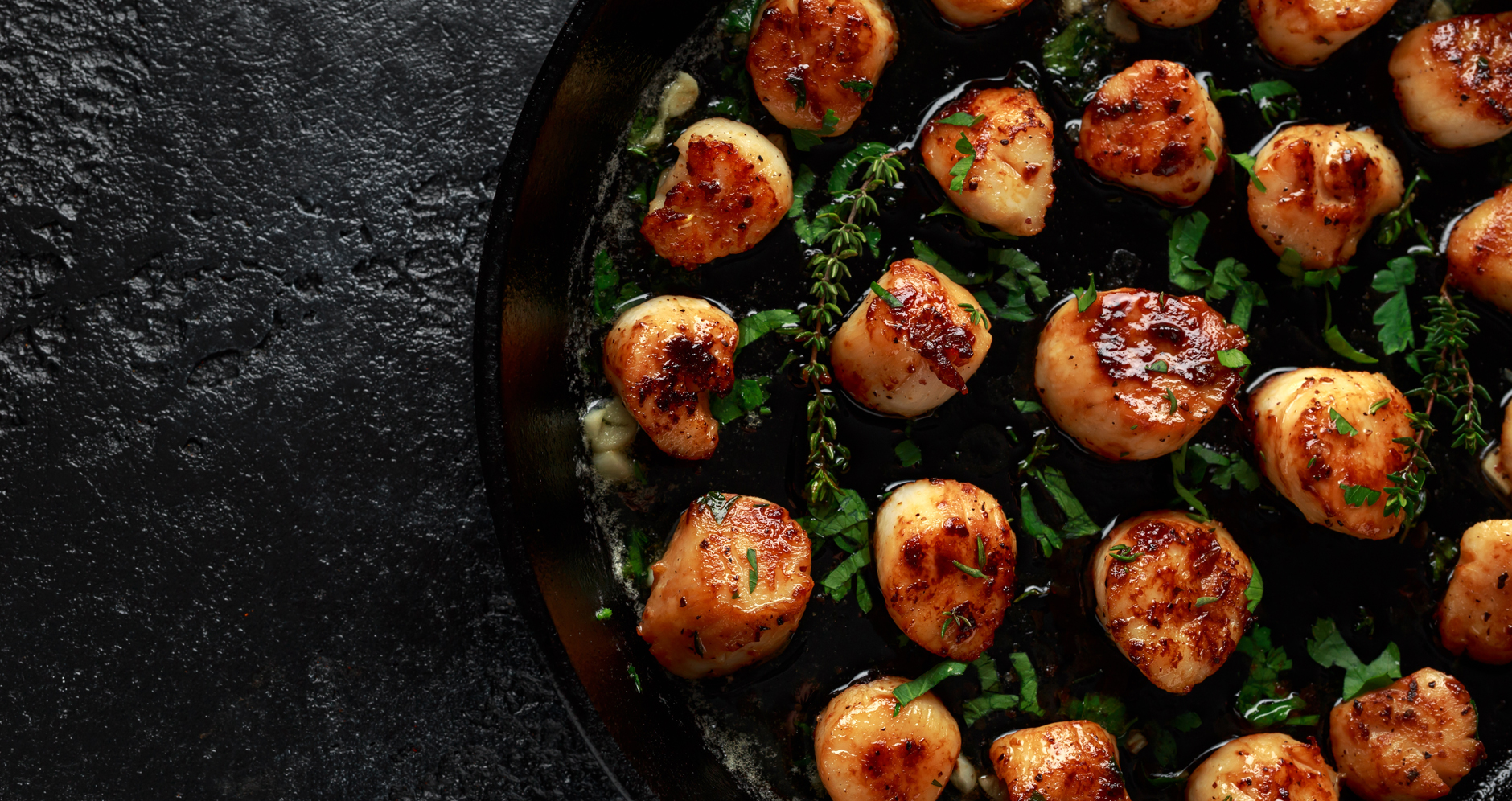
Cooking Your Catch: Simple, Fresh, and Florida-Style
One of the best parts of scallop season is how versatile bay scallops are in the kitchen. Fresh scallops cook quickly, take on flavor easily, and work just as well in a casual weeknight dinner as they do for a celebratory meal.
Popular preparation methods include:
- Lightly sautéed or pan-seared
- Breaded and fried
- Grilled in a basket or foil packet
- Tossed into pasta, risotto, or seafood stews
- Prepared raw as ceviche when handled properly and kept very cold
Because bay scallops are smaller and more delicate than sea scallops, they benefit from simple cooking methods that let their natural flavor shine. Overcooking is the most common mistake and can quickly turn tender scallops rubbery.
For a deeper look at cleaning, handling, and cooking options, this guide provides a great overview:
https://floridafishingadventures.com/catch-prepare-cook-scallops/
Recipe Spotlight: Garlic Basil Seared Scallops
This quick recipe is a favorite for first-time scallop cooks and seasoned seafood lovers alike.
Ingredients
- Fresh bay scallops, cleaned and patted dry
- Olive oil or butter
- Fresh garlic, minced
- Fresh basil, chopped
- Salt and black pepper
- Fresh lemon
Instructions
- Heat a pan over medium-high heat and add olive oil or butter.
- Add garlic and cook briefly until fragrant.
- Place scallops in a single layer and sear for 1–2 minutes per side.
- Remove from heat, season with salt and pepper, and finish with basil and lemon.
The key is speed. Scallops should be just opaque and tender in the center.
For the full step-by-step version of this recipe, visit:
https://www.inspiredtaste.net/37110/garlic-basil-seared-scallops/
A Quick Scalloping Checklist
Before you leave the dock near Port Richey:
- Check current Pasco Zone status and dates
- Carry a valid saltwater fishing license
- Bring a compliant divers-down flag
- Know your bag limits
- Launch early to avoid crowds
- Be mindful of seagrass and shallow areas
Final Thoughts
Scallop season is one of Florida’s most family-friendly and rewarding boating traditions. With clear water, simple rules, and incredible table fare, it’s easy to see why so many locals plan their summers around it.
Do it right, follow the regulations, respect the resource, and scalloping will stay special for generations to come.
Have a safe, successful scallop season out there.
And as always… have an Unreel time!

