Cobia Fishing: Year-Round Tips, Tricks & Regulations
Cobia are one of Florida's most exciting gamefish to encounter. Their impressive size, aggressive strikes, long runs, and willingness to take a variety of baits make them a favorite among anglers along both coasts. They're also a fish you can target throughout the year, provided you understand where they move and what conditions bring them into your waters.
From the Gulf Coast to the Atlantic, cobia follow seasonal patterns tied closely to water temperature, food, and habitat. They may appear around inlets, bays, wrecks, reefs, buoys, pilings, and other structures, sometimes cruising visibly near the surface and other times holding deeper.
Whether you're sight-casting to a cobia swimming alongside your boat or working live bait around a structure, knowing the fish is the first step toward catching one. This guide covers cobia behavior, seasonal movements, Florida's current regulations, where to find them throughout the year, and the tackle and techniques that can help you land one of these powerful gamefish.
Cobia: A Closer Look
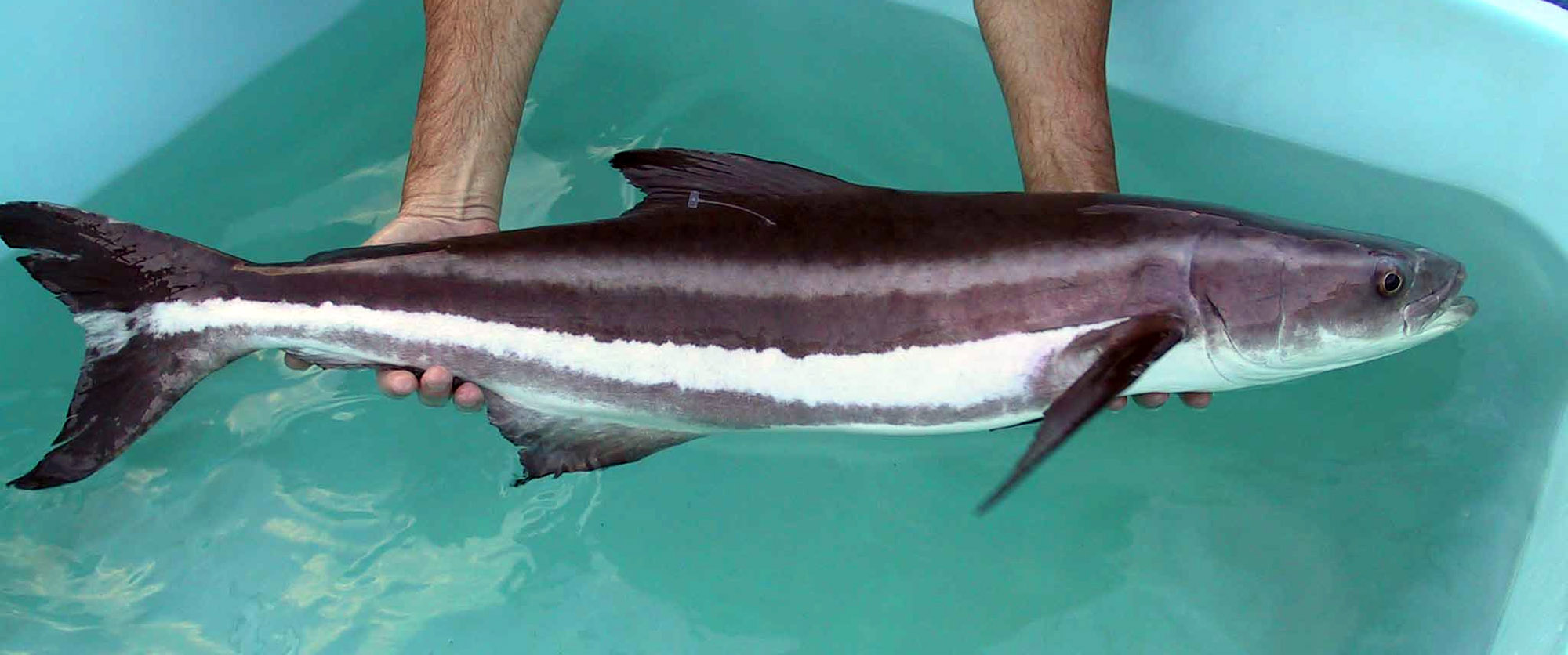
Cobia are built for the kind of fight that keeps anglers coming back. They can reach impressive sizes, with Florida's FWC reporting fish up to 6 feet and 150 pounds, although much smaller fish are more commonly encountered. Their broad, flattened heads, dark brown coloration, white or pale belly, and distinctive lateral stripe make them relatively easy to identify once you know what to look for.
Cobia are also known by names including ling and lemonfish, and they have a reputation for being both aggressive predators and excellent table fare.
Understanding Cobia: The Shark Look-Alike
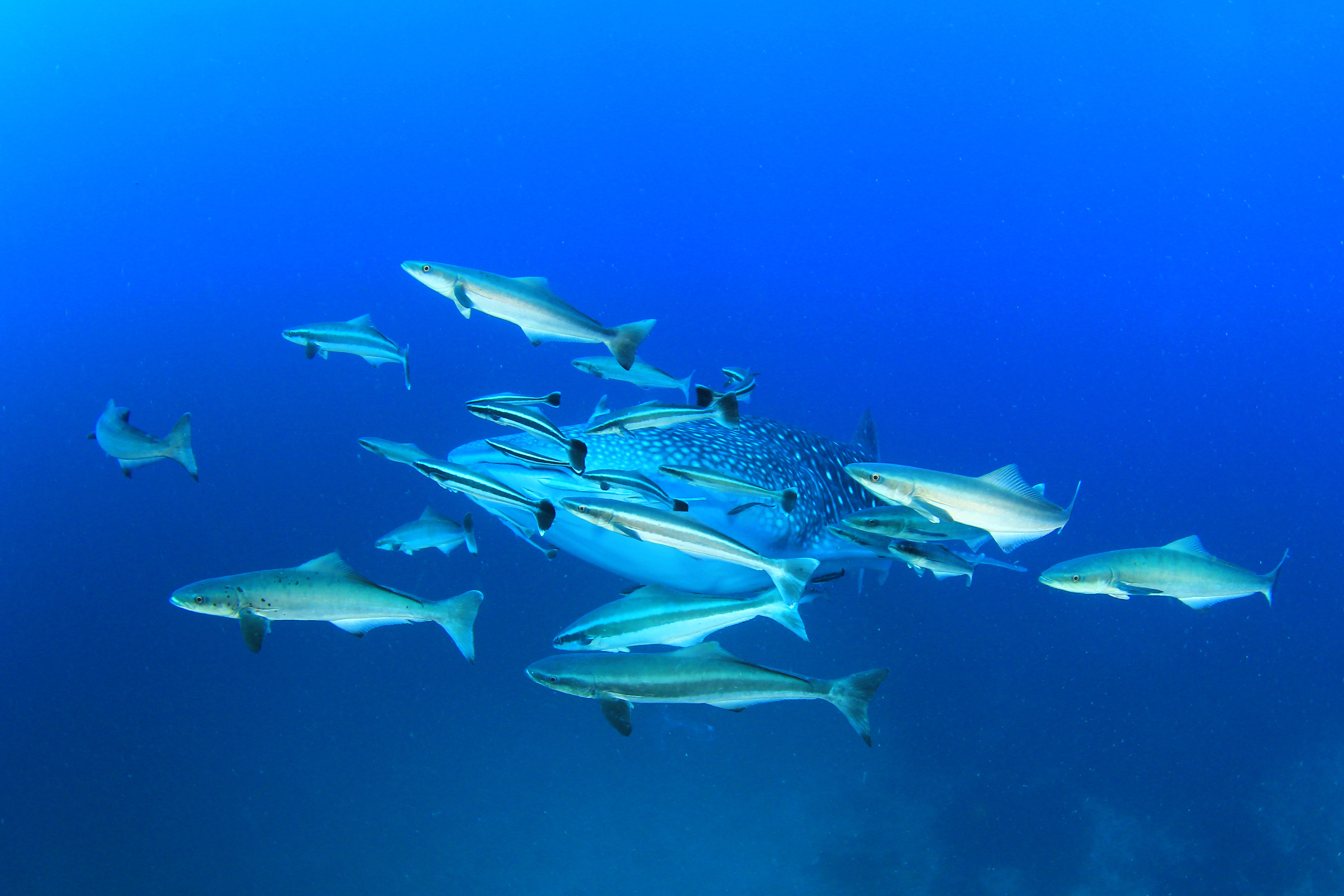
Spend enough time around the water and you may eventually spot what appears to be a small shark cruising near the surface. Look closer, and it may be a cobia.
Their long, streamlined bodies and prominent dorsal fin can create that first impression, while their dark upper body and lighter belly add to the resemblance. A dark stripe extends from the area around the eye toward the tail, and younger cobia display alternating black and white horizontal stripes.
One of their most distinctive features is the row of short finlets extending along the back of the head toward the dorsal fin. Cobia also have a lower jaw that projects slightly beyond the upper jaw.
Learning these characteristics matters because cobia are often spotted before they're hooked. Being able to identify the fish quickly gives anglers a better chance to make an accurate cast before the opportunity disappears.
A Unique Fighting Fish
Cobia have earned their reputation as hard-fighting gamefish for good reason. Once hooked, they can make long, powerful runs and put serious pressure on tackle, especially when a larger fish decides to change direction.
What makes them particularly interesting is that their fight doesn't necessarily end when they reach the boat. A cobia that appears tired can suddenly surge again, making the final moments of the fight some of the most important.
That combination of strength, stamina, and unpredictability is part of what makes catching cobia so rewarding. It also means anglers should have a plan for the entire fight—not just getting the fish to the side of the boat.
Seasonal Migration & Behavior
Cobia are migratory fish, and their movements throughout Florida are strongly influenced by water temperature. During cooler months, they move toward warmer southern waters and offshore areas. As waters warm in spring, they begin moving northward along both Florida coasts.
That migration creates opportunities throughout the year, but the best locations can change with the season. Cobia frequently associate with inlets, bays, wrecks, reefs, buoys, pilings, and other structure, and they may also travel alongside larger marine animals such as sharks, rays, and sea turtles.
Understanding that movement is one of the keys to year-round cobia fishing. Instead of expecting the same location to produce throughout the year, anglers can follow the fish by watching seasonal water temperatures, bait movement, and the types of structure cobia are using.
Understanding Cobia Rules & Regulations
Cobia may be a year-round recreational fishery in Florida, but that doesn't mean anglers can harvest them without restrictions. Size limits, bag limits, licensing requirements, and the distinction between state and federal waters all matter when you're targeting cobia.
Regulations can change, so anglers should always verify the current rules before heading out. For now, Florida's cobia regulations are relatively straightforward: know the minimum size, know your vessel limit, understand where state waters end, and make sure you're properly licensed.
Gulf Coast Cobia Regulations
For recreational anglers fishing Florida's Gulf Coast, the current cobia minimum size is 36 inches fork length. The daily bag limit is one cobia per person or two per vessel, whichever is less. There is currently no closed recreational season for cobia.
Florida Gulf state waters extend 9 nautical miles from shore. Beyond that boundary, anglers are fishing federal waters, where cobia are also currently subject to a 36-inch fork-length minimum and a one-fish-per-person or two-fish-per-vessel daily limit.
That means a longer offshore run doesn't automatically change the basic cobia size or bag limit. It does, however, make understanding jurisdiction increasingly important because other species you may encounter can have very different federal regulations.
Atlantic Coast Cobia Regulations
The same current recreational cobia limits apply along Florida's Atlantic Coast: a 36-inch minimum fork length and a daily bag limit of one fish per person or two per vessel, whichever is less. Cobia are open to recreational harvest year-round under the current FWC regulations.
The important geographic difference is where state waters end. On the Atlantic side, Florida state waters extend 3 nautical miles from shore. Beyond that point, federal waters begin, which is where federal fisheries regulations apply.
For anglers who fish multiple species, this distinction is worth paying attention to. You may leave the dock targeting cobia, but encounter other fish along the way with completely different size, season, gear, or bag requirements.
Measuring a Legal Cobia
Because the cobia minimum size is based on fork length, measuring the fish correctly matters. Fork length is measured from the tip of the fish's snout with its mouth closed to the center of the fork in its tail.
Keep a proper measuring device aboard rather than relying on an estimate. If a fish is close to the minimum, measure it carefully before deciding whether it can be kept.
Legal Gear for Cobia
Florida currently allows recreational cobia harvest using several types of gear, including:
- Hook and line
- Spears
- Gigs
- Seines
- Cast nets
For most recreational anglers, hook and line is the most common approach, particularly when sight-casting to cobia or presenting live bait around structure.
Check Before You Go
Fishing regulations can change as fisheries are evaluated and management decisions are updated. Before every trip, check the current FWC cobia regulations and any applicable federal rules for the waters you plan to fish.
When you're already offshore isn't the time to discover that a regulation changed.
Know the rules before the fish hits the deck.

Finding Cobia Year Round
Cobia may be available to Florida anglers throughout the year, but finding them consistently means understanding where they move and why. Water temperature, bait, current, and structure all influence where cobia spend their time, and their seasonal migration can carry them hundreds of miles along Florida's coastline.
For anglers willing to follow those patterns, cobia can offer opportunities in different parts of the state throughout the year. The key is to think less about a single "cobia spot" and more about the conditions and habitat that bring these fish together.
Follow the Migration
Cobia generally move toward warmer waters during cooler months before traveling northward as water temperatures rise in spring. That seasonal movement creates opportunities along both coasts, but the timing can vary based on local water temperatures and weather patterns.
South Florida & the Florida Keys
During the cooler months, South Florida and the Florida Keys can provide productive cobia habitat as fish seek warmer water. Anglers may encounter them around wrecks, reefs, channels, inlets, buoys, and other structure where bait and current concentrate.
The Keys also provide opportunities for sight fishing when water clarity allows anglers to spot cobia cruising near the surface or around structure.
Gulf Coast
As Gulf waters warm in spring, cobia begin moving northward along Florida's Gulf Coast. Inshore passes, coastal bays, wrecks, buoys, bridges, and nearshore structure can all become productive areas as migrating fish move through.
Florida's Gulf Coast is particularly appealing because anglers may encounter cobia from relatively shallow nearshore waters to offshore structure. Watching water temperature and bait movement can help identify when fish are likely to move into a particular area.
Northeast Florida & the Atlantic Coast
On Florida's Atlantic Coast, migrating cobia follow warming waters northward and can appear around inlets, nearshore structure, wrecks, and other areas where current and bait concentrate.
The Atlantic's inlets can be especially interesting during migration because they funnel moving water and bait through relatively concentrated areas. When conditions are right, cobia may use these current breaks and nearby structures as temporary holding areas while traveling along the coast.
Look for Structure
Cobia aren't tied to one specific type of habitat. They can be associated with wrecks, reefs, buoys, pilings, bridges, inlets, and other structures that provide access to food and current.
They may also be found around large marine animals, including sharks, rays, and sea turtles. For anglers sight-fishing, seeing a large animal on the surface can be worth paying attention to—a cobia may be nearby.
The best structure isn't necessarily the biggest or most obvious. Cobia may use current breaks, isolated objects, and areas where bait collects, making observation and electronics valuable parts of the search.
Water Temperature Makes a Difference
Water temperature is one of the strongest clues for understanding cobia movement. Rather than treating specific calendar dates as guarantees, anglers can use changing temperatures to anticipate when fish may begin moving into or out of an area.
As water warms in spring, migrating cobia move northward along Florida's coasts. When temperatures begin dropping in the fall, fish generally begin moving toward warmer southern waters and offshore areas.
That means a productive cobia location can change dramatically from one month to the next.
Pay attention to local water temperatures, bait activity, currents, weather patterns, and recent catches. When several of those factors line up, the odds of finding migrating cobia improve.
Follow the conditions, not just the calendar.
Catching Cobia: Tips & Tricks
Finding cobia is one challenge. Getting one to bite, keeping it hooked, and eventually getting it under control is another.
Cobia are aggressive predators, which gives anglers several ways to target them. Live bait, dead bait, artificial lures, and sight-casting can all produce fish, depending on the conditions and where the cobia are holding. The key is matching your presentation and tackle to the size of the fish and the environment you're fishing.
Picking the Right Bait
Cobia aren't especially picky when they're actively feeding, which is one reason they can be such exciting fish to target. Live bait is often one of the most effective choices, particularly when fish are holding around structure or moving through an area.
Common bait options include:
- Live eels
- Pinfish
- Mullet
- Croakers
- Menhaden and other oily baitfish
- Crabs and shrimp
When sight-fishing, presenting a lively bait ahead of a cruising cobia can trigger an aggressive response. Around structure, keeping the bait near the depth where fish are holding can be more important than the exact species of bait.
Dead bait can also work when cobia are holding around structure or feeding opportunistically. Fresh cut bait with a strong scent can attract fish, particularly when current carries the scent through an area.
Artificial lures can produce as well, especially when a cobia is actively following or reacting to a moving presentation. Large jigs, bucktails, soft plastics, and swimming plugs can all be effective choices.
Sight Fishing & Bait Presentation
Few things compare with seeing a cobia before making the cast. When conditions provide good visibility, keep an eye on the surface around buoys, wrecks, reefs, pilings, rays, sharks, and other potential holding areas.
The goal is to get the bait or lure in front of the fish without making a cast that sends it racing away.
When a cobia is cruising toward the boat, lead the fish rather than dropping the bait directly on top of it. Give the fish time to see and follow the presentation. If it turns toward the bait, resist the temptation to immediately move it away.
A cobia that follows without committing may need a different presentation, speed, or bait. Having a second rod ready can be useful when the first presentation doesn't get the response you're looking for.
Sight fishing also requires patience. A fish that appears uninterested can change its mind quickly, while an aggressive cobia may eat almost immediately.
The best cast is the one you don't rush.
Choosing the Right Rod & Reel
Cobia demand tackle capable of handling both their size and their power. A medium-heavy to heavy rod with enough backbone to control a strong fish is a good starting point, while the exact setup depends on the size of cobia you're targeting and whether you're fishing bait, lures, or structure.
A quality spinning or conventional reel with a smooth, reliable drag is equally important. Cobia can make powerful runs after the hookset, so the reel needs enough line capacity to let the fish run without immediately reaching the end of the spool.
For anglers sight-casting around the boat, spinning tackle can make accurate presentations easier. Conventional setups can provide additional leverage and line control when fishing heavier bait or working structure.
The right setup should feel powerful without becoming unnecessarily cumbersome. You want enough equipment to control the fish—not so much that casting and presenting the bait becomes difficult.
Tackle That Can Withstand the Fight
Cobia aren't the place to cut corners on terminal tackle. Strong hooks, dependable knots, abrasion-resistant leader, and appropriately sized line all become more important when a large fish is capable of making a sudden run toward structure or around the boat.
Braided main line provides strength and sensitivity while keeping diameter relatively small, making it a popular choice for cobia anglers. A heavy fluorocarbon or monofilament leader can provide additional abrasion resistance when fish are close to structure or the boat.
Hook size should match the bait and fishing method rather than simply choosing the largest hook available. The hook needs to present the bait naturally while providing enough strength to handle the fish.
Check your knots, hooks, leader, and line before the trip—and inspect them again after fighting a fish. A small nick or damaged connection can become a big problem when the next cobia decides to make a run.
Fighting & Landing Cobia
Once a cobia is hooked, the objective changes from attracting the fish to controlling it.
Maintain steady pressure and let the drag do its job. Avoid locking down the drag simply because the fish is close to the boat; a sudden surge can turn a successful fight into a broken line or pulled hook.
Structure adds another challenge. If you're fishing around wrecks, pilings, reefs, or other obstacles, the angler needs to balance pressure with the need to keep the fish away from trouble.
And remember that the final moments matter.
Cobia can make another powerful run when they appear to be beaten, particularly when they see the boat. Keep the fish under control and communicate with everyone aboard before attempting to land it.
Use equipment appropriate for the size of fish you're targeting and follow safe handling practices. A large cobia is powerful enough to injure an angler even after the fight appears to be over.
Have your landing plan ready before the fish reaches the boat.
Winning the fight is only half the job.
Cooking Your Catch
Cobia are considered excellent table fare, with firm, mild-flavored meat that works well with a variety of preparations. Once you've confirmed your fish meets current size and bag requirements, proper handling makes a big difference in the quality of the meal. Keep the fish properly chilled after harvest and clean it as soon as practical.
Cobia can be grilled, blackened, pan-seared, baked, or added to tacos, sandwiches, and other seafood dishes. Their firm texture holds up well to higher-heat cooking, while simple preparations with citrus, herbs, garlic, or butter allow the natural flavor of the fish to remain the focus.
Final Thoughts
Cobia fishing offers something few Florida fisheries can match: the opportunity to pursue a powerful, migratory gamefish in different waters and throughout the year. From a fish cruising beside the boat to one holding around a wreck or reef, every encounter can turn into a memorable fight.
Success comes from understanding the fish rather than simply chasing a particular date or location. Follow seasonal movement, pay attention to water temperature and structure, use tackle capable of handling the fight, and know the current regulations before you head out.
Whether you're sight-casting along the Gulf Coast, working structure on the Atlantic, or following migrating fish into new water, cobia reward anglers who stay observant and prepared.
Find the fish. Make the cast. Be ready for the fight.

