Sport and Leisure in One: Pioneer Islander 202
Some days on the water are all about the fish. Others are about cruising the coast, anchoring at a favorite sandbar, or bringing family and friends along for an afternoon without a strict plan. A versatile boat makes room for all of it—and the Pioneer Islander 202 is designed with that balance in mind.
Part of the Pioneer Islander lineup, the 202 brings together a fishing-focused layout, practical storage, comfortable seating, and the features needed to enjoy a full day on the water. It offers room to spread out without stepping into a much larger boat, making it an appealing option for boaters who want a capable fishing platform that doesn't limit how they spend their free time.
That combination is what makes the Islander 202 interesting. It gives anglers the practical features they need while making room for the people and experiences that turn a good day on the water into a great one.
For boaters considering Pioneer Boats in Port Richey, the Islander 202 deserves a closer look—not simply for what it can do, but for how easily it can fit on Florida's waterways…no matter the plan.
Pioneer Islander 202: A Closer Look
Before getting into the details, it helps to understand where the Islander 202 fits. This is a bay boat designed to balance fishing utility with recreational comfort. Its size, layout, and available equipment make it suitable for a range of inshore and coastal activities, while its seating and recreational options make it more accommodating when the whole crew comes along.
That versatility doesn't mean the boat has to compromise on the essentials. Instead, the Islander 202 builds its appeal around having the right features in the right places, so fishing, cruising, and relaxing can all feel like natural uses rather than competing priorities.
Pioneer Islander 202 Specifications
Here are the key specifications for the Islander 202 as listed by Unreel Marine:
- Length: 20'6"
- Beam: 8'2"
- Approximate Dry Weight: 2,400 lbs.
- Draft: Approximately 13"
- Deadrise: 18°
- Maximum Horsepower: 200 HP
- Fuel Capacity: 56 gallons
- Hull Construction: Fiberglass/composite
- Passenger Capacity: 8
Specifications provide a useful starting point, but their value comes from understanding what they mean on the water.
At 20 ft. 6 in., the Islander 202 has enough length to accommodate distinct fishing and seating areas without taking on the footprint of a larger offshore boat. Its 8 ft. 2 in. beam provides room for passengers to move around, while the 13-inch listed draft supports access to many shallower areas when conditions and local depth allow.
The 56-gallon fuel tank gives the boat capacity for a full day of exploring, fishing, and moving between destinations. Actual range, of course, depends on engine configuration, speed, load, weather, and water conditions, so planning fuel reserves remains essential.
With a maximum horsepower rating of 200 HP, the Islander also gives buyers flexibility when selecting power. The current Unreel listing features a Suzuki 150 HP four-stroke configuration, which is distinct from the boat's maximum rating. The right setup depends on how you plan to use the boat, the load you typically carry, and the performance characteristics you want.
Together, these specifications describe a boat designed to offer meaningful capability without becoming unnecessarily large or complicated for everyday recreational use.

A Hull Designed for Versatility
A boat's layout gets plenty of attention, but the hull beneath it has just as much to say about the experience. It influences how the boat responds to changing conditions, how it carries passengers and equipment, and how confidently it handles the different environments its owner wants to explore.
The Pioneer Islander 202 uses fiberglass/composite construction and an 18-degree deadrise, combining a practical bay-boat platform with a hull shape designed to balance ride characteristics and usable deck space.
Fiberglass Construction & Everyday Durability
Fiberglass construction provides a solid foundation for the Islander's blend of fishing and recreational features. It allows the boat's seating, storage, cockpit, and deck areas to be integrated into a purposeful layout rather than treated as separate additions.
For owners, the quality of that construction matters over the long term. A boat spends its life exposed to sun, moisture, salt, vibration, and repeated loading and unloading. Sound construction, properly maintained hardware, and attention to routine care all contribute to how well the boat serves its owner over time.
The Islander 202's molded non-skid inner liner is another practical detail. Fishing and recreational boating can mean wet decks, splashing water, and people moving around while carrying gear. A non-skid surface helps provide traction underfoot, supporting a more confident experience when boarding, fishing, or moving between seating areas.
It's the sort of feature that may not dominate a showroom conversation, but it becomes much more noticeable after a long day on the water.
The Advantage of an 18-Degree Deadrise
Deadrise describes the angle of the hull bottom at the transom. It helps explain the hull's shape and provides useful context when comparing boats, although it doesn't determine ride quality on its own.
The Islander 202's 18-degree deadrise gives prospective owners one piece of the picture when evaluating its intended use. Hull design, overall dimensions, weight distribution, engine setup, and operating conditions all contribute to how a boat performs when underway.
For a boat expected to serve both fishing and leisure, that overall balance matters. Owners want a platform that feels manageable around familiar fishing grounds while remaining comfortable for cruising between destinations.
The Islander 202's dimensions and hull design support that versatile mission, but as with any boat, actual handling and ride quality are best judged with a properly conducted sea trial under representative conditions.
A Manageable Size With Room to Move
At just over 20 feet long, the Islander 202 occupies a useful middle ground for recreational boaters. It provides enough space for fishing gear, passengers, and dedicated seating without requiring the size of a larger offshore center console.
Its 8' 2" beam also contributes to the usable space aboard. That room matters when anglers are casting, passengers are moving between seats, or the family is getting ready to swim from the stern.
The boat's approximate 2,400-pound dry weight is another consideration when planning ownership. Actual towing weight will be higher once fuel, batteries, equipment, and the trailer are included, so buyers should evaluate the complete loaded package against their tow vehicle's ratings.
For boaters who trailer to different launch ramps, that planning can help make the difference between a boat that looks right on paper and one that fits comfortably into their routine.
A Fishing Layout That Works
The Islander 202's recreational appeal is important, but the fishing features are not an afterthought. Its equipment and layout provide the foundation for productive days on the water, helping anglers organize tackle, keep essential gear close, and make better use of the available deck space.
Rod Storage & Ready-to-Fish Details
Rod storage is one of those features that makes a boat easier to live with every time you use it. The Islander 202 includes dual gunwale rod storage, allowing anglers to keep rods organized along the sides of the boat instead of leaving them scattered across seating areas or working decks.
Four stainless-steel rod holders provide additional places to secure rods when they're not in use. Combined with the rod holders incorporated into the lean post, they give anglers practical options for arranging equipment around the way they fish.
These details become particularly valuable when several people are fishing together. Keeping rods organized helps preserve open space, reduces clutter, and makes it easier to switch techniques or move around the boat without constantly rearranging equipment.
Fish Box & Cooler Capacity
The Islander 202 also includes an insulated fish box and a 65-quart Engel cooler integrated with the lean-post arrangement.
Each serves a practical purpose during a full day out. The fish box provides dedicated space for the day's catch, while the cooler can accommodate refreshments and other provisions for the crew. Keeping these needs accounted for helps the cockpit remain organized and makes longer outings more comfortable.
It's a simple example of how fishing and leisure can complement each other. The same equipment that supports a productive morning on the water also helps make the afternoon more enjoyable.
A Self-Bailing Cockpit & Practical Deck Features
Fishing and recreational boating both bring water aboard. Spray, rain, wet equipment, and passengers climbing back from a swim are all part of life on the water.
The Islander 202's self-bailing cockpit is designed to help water drain from the cockpit rather than simply collecting underfoot. A 500-GPH bilge pump with an automatic float switch provides another important layer of water-management capability.
These systems serve different functions, and neither replaces routine inspection or proper operation. Keeping drains clear and checking that the bilge pump works as intended are important parts of ongoing boat care.
Other useful details include the anchor locker, pull-up cleats, stainless-steel hardware, and molded non-skid surfaces. Together, they support the everyday tasks that come with anchoring, docking, handling equipment, and moving around the boat.
For anglers, those details help keep the focus on fishing. For everyone else aboard, they contribute to a more practical and comfortable day.
Comfort Beyond the Catch
A good fishing boat needs to work when the bite is on. A versatile boat also needs to feel inviting when the rods are put away.
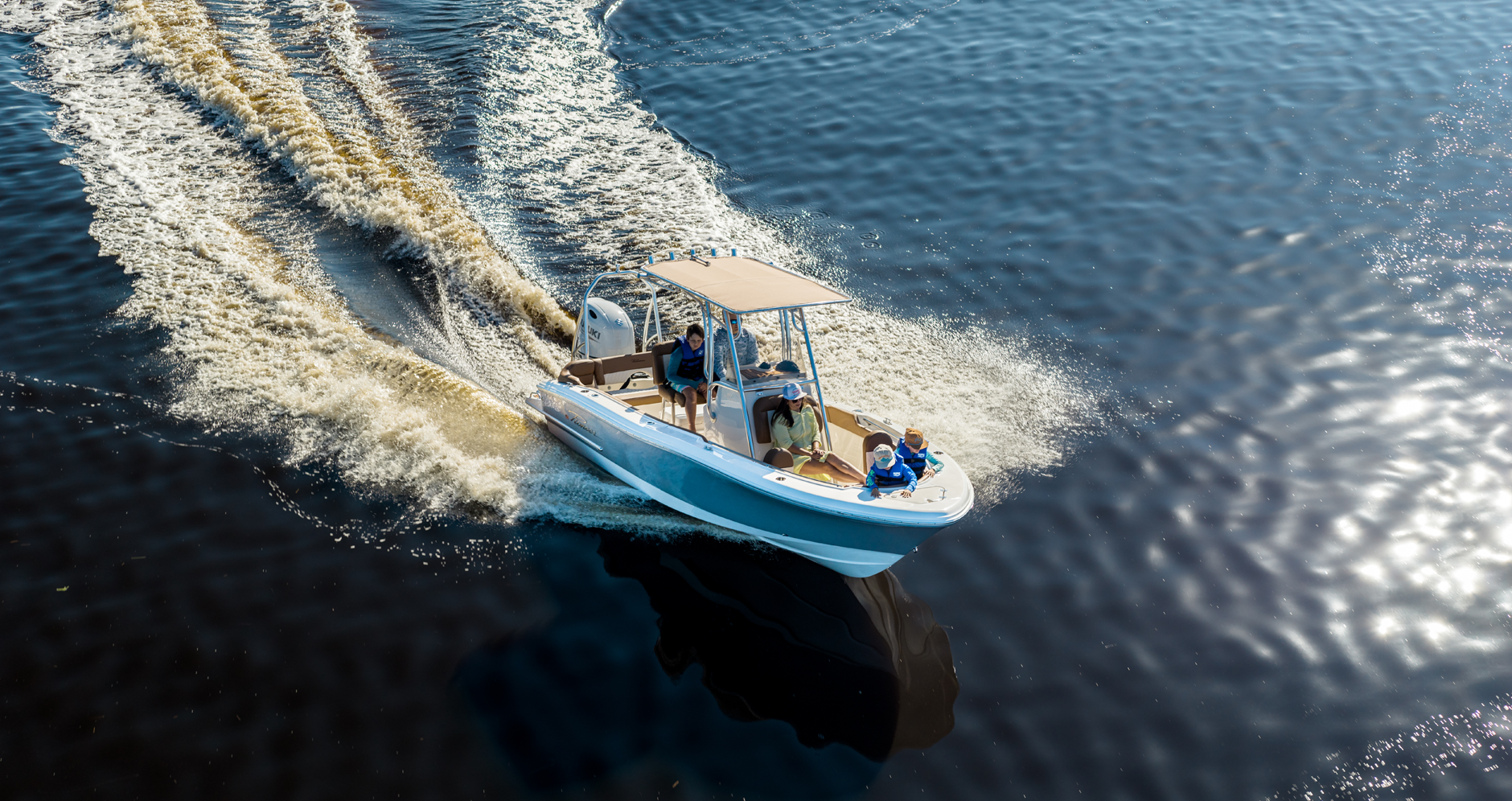
That's where the Pioneer Islander 202 expands its appeal. Its seating arrangements and recreational features give passengers room to relax, enjoy the ride, and make the most of the time spent between fishing spots. Rather than treating comfort as an afterthought, the Islander incorporates features that help the boat transition naturally from fishing to cruising and hanging out on the water.
Seating for the Whole Crew
The Islander 202's full transom seating gives passengers a comfortable place to settle in while underway or enjoying time at anchor. Forward seating backrests and a bow cushion add another layer of comfort, making the bow more inviting when the crew wants to sit back and enjoy the surroundings rather than focus on fishing.
These features also give the boat more flexibility when the passenger list changes. An early morning trip with a couple of fishing buddies has different needs from an afternoon outing with family, and comfortable seating helps the Islander accommodate both.
The goal is to make the boat feel welcoming without sacrificing the open, practical layout that anglers appreciate.
Swim Platforms & Easy Access to the Water
For many Florida boaters, getting to the destination is only half the fun. Anchoring in a quiet cove, taking a swim, or spending an afternoon near a favorite sandbar can be just as important as the ride there.
The Islander 202 features port and starboard swim platforms that add useful space at the stern and make water access part of the recreational experience. They also provide convenient areas for handling gear and moving around the back of the boat when conditions allow.
As always, boarding and swimming should be managed with the engine safely shut down and the boat secured appropriately. The platforms add convenience, but good on-water habits remain essential.
Comfort for Long Days on the Water
Comfort isn't limited to cushions and seating. It also comes from having enough room to move, places to put your gear, and a layout that doesn't feel crowded when everyone is aboard.
The Islander's 20-foot-plus footprint gives passengers space to spread out, while the combination of seating and fishing features helps the boat serve different purposes throughout the day. You can spend the morning casting, move to another area for a scenic cruise, and settle in for a relaxing afternoon without needing to change boats—or compromise on what you enjoy.
That's a meaningful advantage for owners who want one boat to support several different kinds of outings.
Power, Handling & Time on the Water
A boat needs an engine setup that matches its intended use. The right configuration influences acceleration, cruising behavior, fuel consumption, and how the boat responds with passengers and equipment aboard.
The Pioneer Islander 202 is rated for up to 200 horsepower, giving buyers some flexibility when choosing power. The current Unreel listing features a Suzuki 150 HP four-stroke, which provides a concrete starting point for evaluating the available package.
The important consideration is not simply choosing the largest engine available. It's selecting a setup that suits your typical load, destinations, boating style, and expectations for performance.
Choosing the Right Horsepower
Maximum horsepower tells you the upper limit of the boat's rated engine capacity; it doesn't mean every owner needs to choose that maximum.
For someone who primarily fishes familiar inshore waters, makes shorter runs, and carries a moderate load, a 150 HP configuration may be a practical fit. Boaters who regularly carry more passengers or equipment, cover longer distances, or prioritize a different performance profile may want to discuss other permitted configurations with their dealer.
Actual performance depends on a combination of factors, including the engine, propeller, passenger and gear load, fuel, trim, and water conditions. For that reason, published or expected performance should never be treated as a guarantee of speed or range.
A properly configured boat should feel suited to the way you actually use it—not simply impressive on a specification sheet.
Handling & Confidence at the Helm
Good handling is about more than how quickly a boat responds to the throttle. It also includes steering feel, maneuverability around docks, predictable responses to changing conditions, and the ability to position the boat where you need it.
Those qualities matter on a fishing trip when you're maneuvering around structure, but they matter just as much when approaching a crowded launch ramp or easing into a marina slip.
The Islander 202's dimensions give it a manageable footprint for many recreational boating situations, while the final handling characteristics depend on the installed engine, steering system, loading, and conditions.
If you're considering the Islander 202, a sea trial is a worthwhile step. Bring up the situations you encounter most often - such as docking, low-speed maneuvering, cruising with a typical passenger load, or operating in familiar coastal conditions - and evaluate how the boat feels in those circumstances.
Fuel Capacity & Planning Your Day
The Islander 202's listed 56-gallon fuel capacity gives owners a useful amount of onboard fuel for day trips and moving between fishing areas. Still, tank capacity alone doesn't tell you how far a boat can travel. Fuel consumption changes with speed, engine setup, loading, sea conditions, wind, and how often you accelerate or idle.
A sensible plan starts with the distance you intend to cover, the conditions you expect, and enough reserve to account for changes. Florida's weather can shift quickly, and a route that looks straightforward at the dock may take longer or require a different return plan once you're underway.
Think of fuel capacity as flexibility—not permission to push the limits of your range.
Making It Your Islander
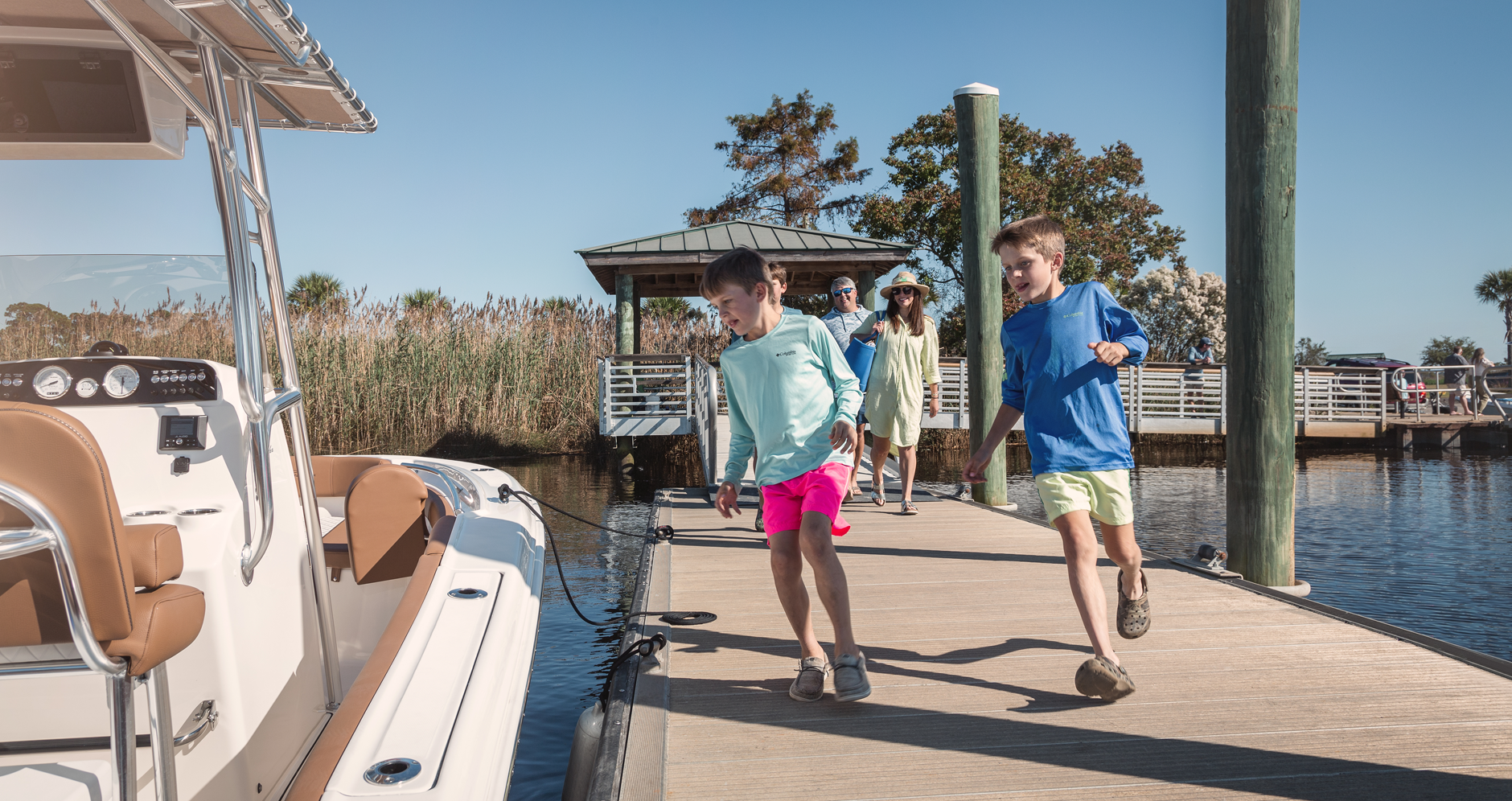
One of the advantages of choosing a versatile boat is the ability to configure it around your priorities. The Islander 202's available equipment can help owners lean further into fishing, improve comfort, or add convenience for longer days aboard.
The right options depend on what you want the boat to do most often.
Shade & Protection From the Elements
Florida sunshine is part of the appeal of boating here, but hours of direct exposure can wear on the crew. Shade can make a substantial difference during a long day on the water, especially when temperatures rise and the sun is high.
When evaluating available shade or protection options, consider how you typically boat. Storage, clearance, and how easily the boat can be configured for different outings are also worth discussing with the dealer.
Always remember that shade doesn't replace sun protection, hydration, or attention to heat-related symptoms. It's simply one useful part of making time on the water more comfortable.
Electronics & Navigation
Electronics can add convenience and capability, particularly for anglers who regularly explore unfamiliar areas or want to make better use of their time on the water. A suitable multifunction display can bring navigation information and compatible sonar functions together in one place, depending on the equipment selected.
For fishing-focused owners, electronics can help with identifying depth changes, locating structure, and understanding the underwater environment. The right setup depends on your fishing style and experience. A boat used primarily for familiar local trips may need a different electronics package from one that regularly ventures farther afield.
Before choosing upgrades, confirm which equipment is included with the specific boat and which items are optional. Availability and package details can change by model year and dealer configuration.
Audio, Washdown & Everyday Convenience
The details that make a boat enjoyable aren't always the most technical.
Audio can make a relaxed afternoon at anchor feel more like a getaway. A washdown system can help clean up after a fishing trip, removing residue from the deck and equipment before it has a chance to become a bigger chore. Storage and practical hardware can also make it easier to keep the boat organized between outings.
When considering available options, think about the work you want to make easier and the experiences you want to enjoy more often.
A fishing-focused owner might prioritize equipment that simplifies cleanup and keeps tackle organized. Someone who regularly brings family and friends aboard may put more value on comfort, shade, and entertainment.
There is no universal best package. The goal is to build an Islander 202 that fits your boating routine.
Where the Pioneer Islander 202 Fits
The Pioneer Islander 202 makes the most sense for boaters who want a capable fishing platform without giving up the recreational side of boat ownership.
Its combination of fishing features, seating, swim platforms, and manageable dimensions creates a useful middle ground. It can support a dedicated day of fishing while remaining comfortable enough for a cruise, an afternoon at anchor, or a family outing.
That balance may be particularly appealing to Florida boaters, where a single weekend can include fishing inshore, cruising a coastal waterway, and spending time with friends near the water. The Islander 202 gives owners a platform designed around those changing plans.
It's also worth considering what kind of boating you expect to do most often. Buyers who prioritize offshore range, heavier-duty offshore fishing, or a larger platform may want to explore other models in the Pioneer lineup. For example, Unreel's Pioneer Pelagic 270 article explores a more offshore-oriented model with a different set of priorities.
The point isn't that one model is universally better than another. It's that the right boat should match your most common destinations, typical passenger load, fishing habits, and expectations for comfort.
For someone who wants sport and leisure in one package, the Islander 202 offers a compelling combination.
Final Thoughts
The Pioneer Islander 202 brings together practical fishing features, comfortable seating, useful recreational details, and a manageable size that suits a variety of days on Florida's waterways.
Its appeal lies in the balance. Anglers have dedicated places for rods and catch, while passengers have room to relax and enjoy the ride. With the right engine configuration and equipment package, owners can tailor the boat to the way they fish, cruise, and spend time with the people who matter most.
If you're considering Pioneer Boats in Port Richey, the Islander 202 is worth exploring in person. Visit Unreel Marine's Pioneer Islander 202 page to learn more about the model and discuss available configurations and options.
Because the best days on the water don't always follow one plan, and the right boat gives you the freedom to enjoy them all.

